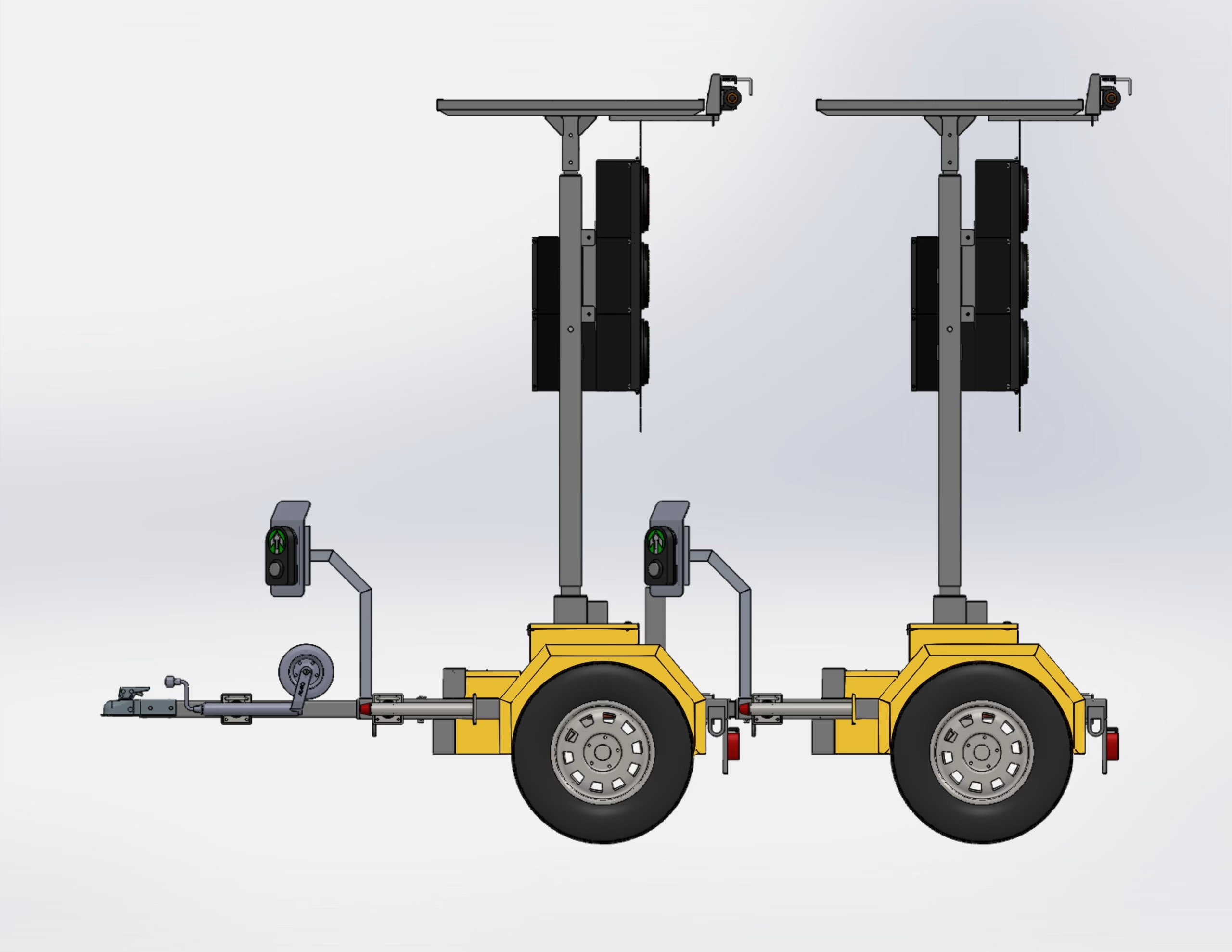
Portable Traffic Lights
Portable traffic lights are a mobile solution for temporary traffic regulation, designed to ensure safe, efficient alternating vehicle passage in work zones, emergencies, or other temporary traffic suspensions. They are designed to withstand mechanical loads, to be easy to use and maintain, and to last a long time.
Different traffic situations, clients’ needs and demands, and legal regulations related to these systems across countries have led to the absence of a universal portable traffic light system that is always applicable.
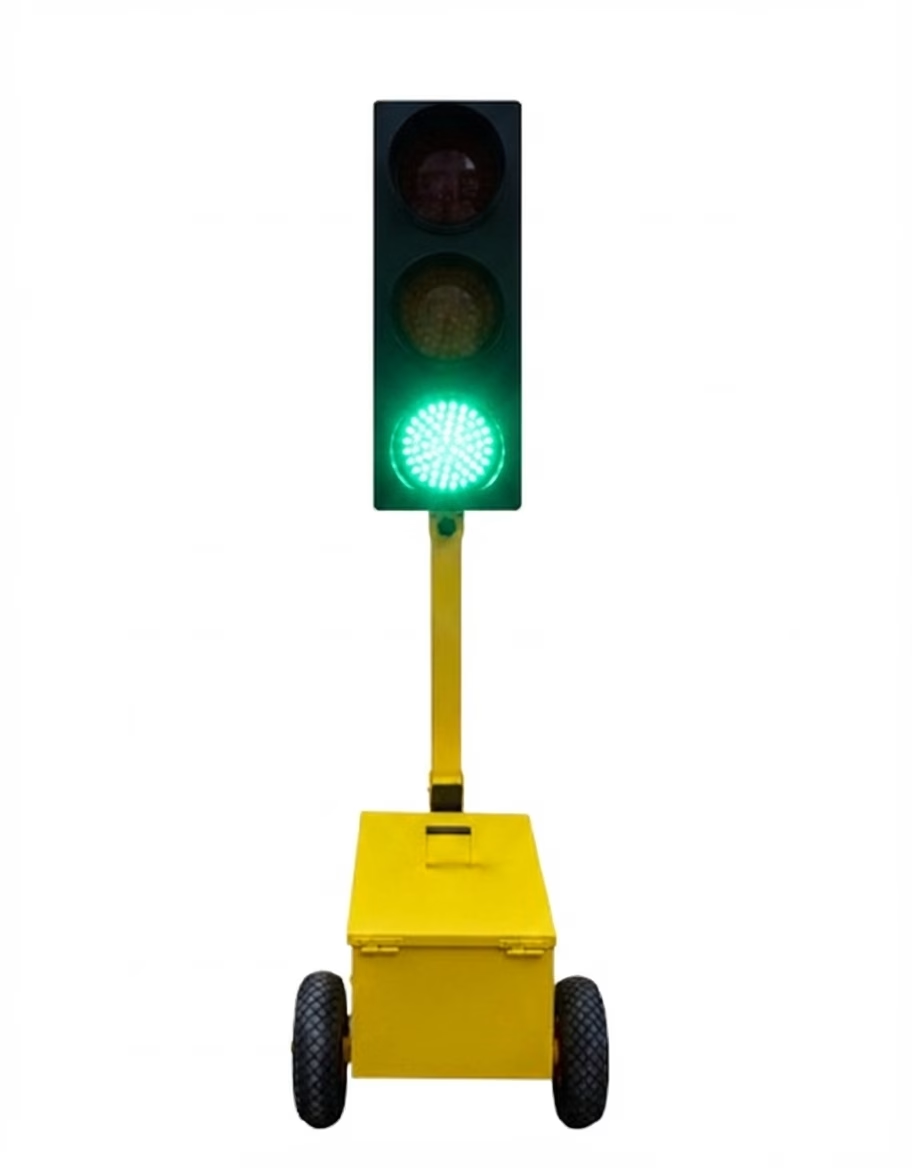
The division of the Portable Traffic Light systems can be done according to several bases and criteria:
- One criterion is whether there is communication between traffic lights in the system or not.
- The second criterion is whether the system can only be used for two-way traffic regulation (alternating passing of vehicles) or whether it can also be used for traffic regulation at three-way and four-way intersections.
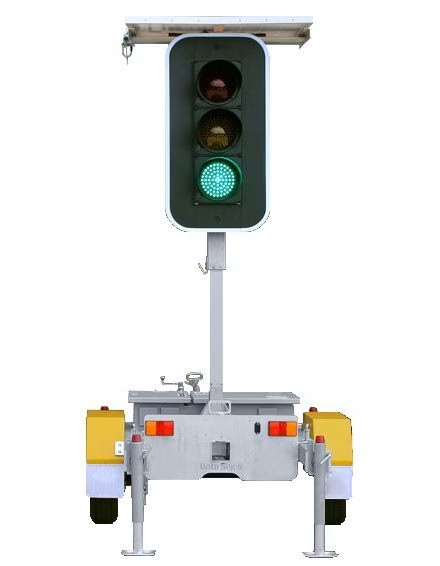
- The third criterion is the way the traffic light is installed, i.e., whether the traffic light is installed on a hand trolley, on a tripod, or on a signal trailer.
Because of this, DMV has developed several different models of these systems.
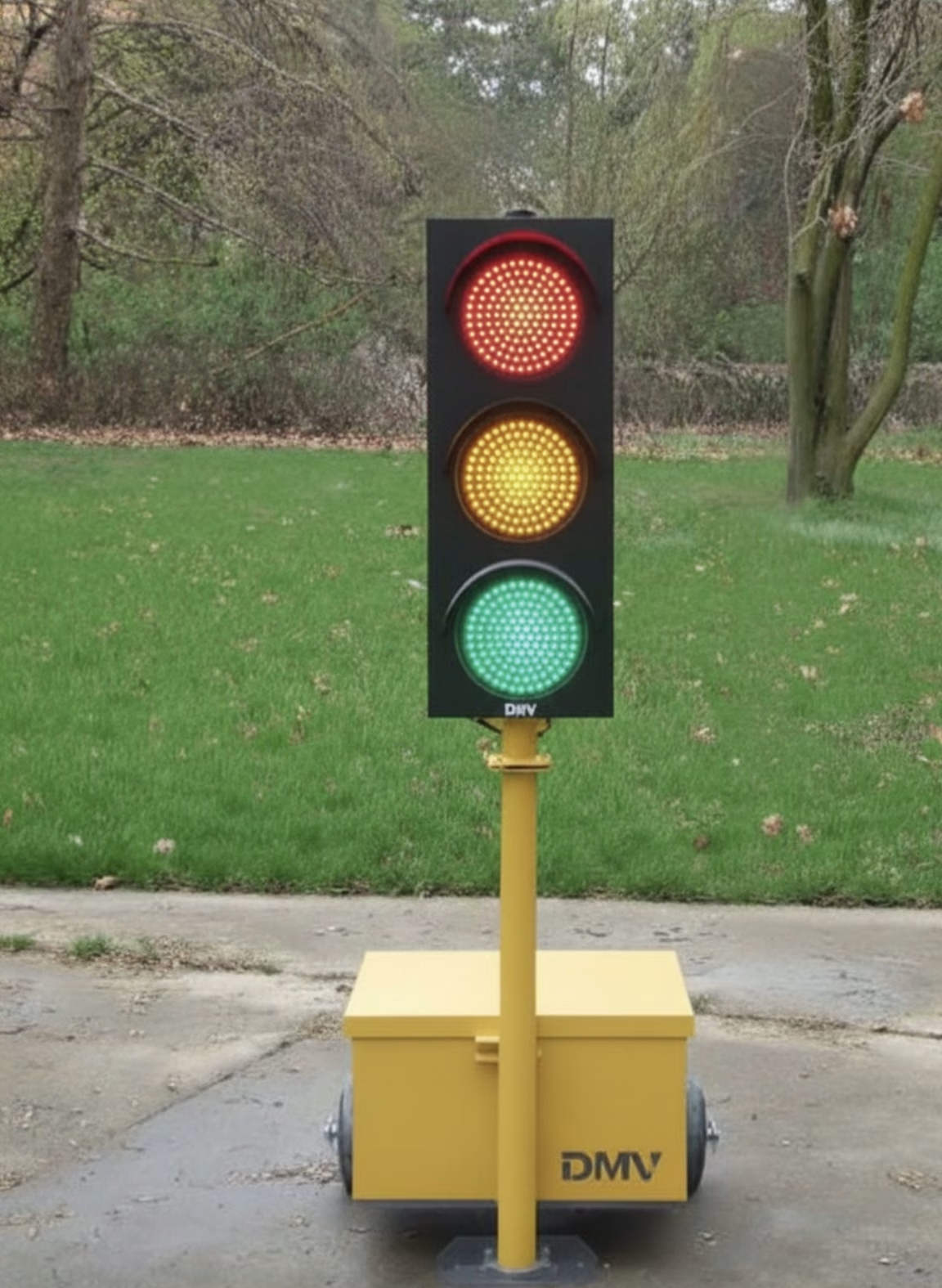
Basic Portable Traffic Light system – NPV-RTC
This is the simplest portable traffic light system. With this system, there is no communication between traffic lights, and it can only serve for two-way traffic regulation.
The basic components of this system are:
1. Two aluminum traffic lights
2. Two command boxes
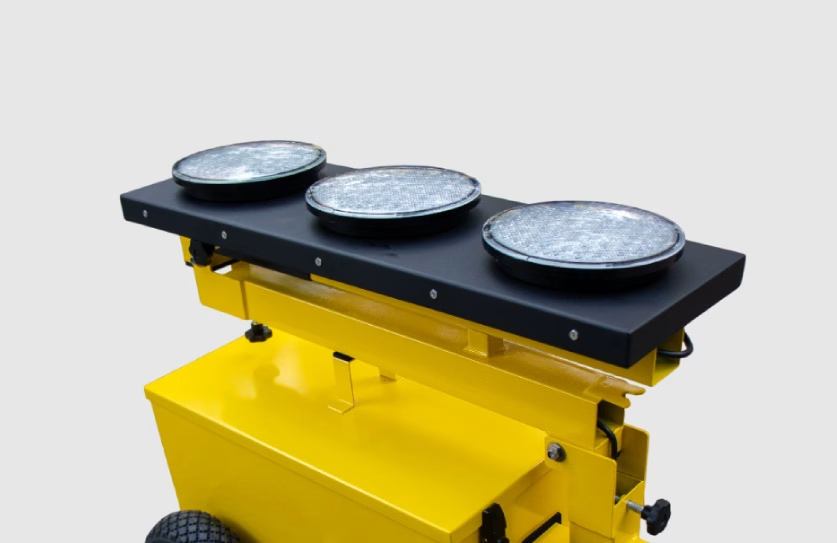
3. Two trolleys KOL1-BASIC on which other basic components, as well as batteries and possibly solar power packs, are installed. (This is the most common case; however, this model, like all others, can be installed on tripods and signal trailers.)
In the basic portable traffic light system, the traffic lights operate synchronously thanks to a precise real-time clock housed in the control boxes of both traffic lights.
Traffic lights operate independently and use only one mode of operation: RTC. It is based on the fact that the operational parameters are entered into the controllers of both traffic lights (exact times, green and red durations, and the desired clearance time), and the traffic lights continue to operate synchronously. The control board contains an internal battery, and in the event of a power outage, the devices continue synchronous operation.
Advanced portable traffic lights system – NPV-Q
This is a modern, lightweight portable traffic light system engineered for rugged outdoor use. The system is designed for reliable and easy use and is a professional, highly efficient solution for alternating vehicle passage.
It cannot be used for traffic regulation at three-way and four-way intersections.
It consists of:
- a weather-resistant lantern,
- a robust remote-control unit – HRC (Hand Remote Controller)
- a premium solid-aluminum tripod stand,
- a waterproof battery case,
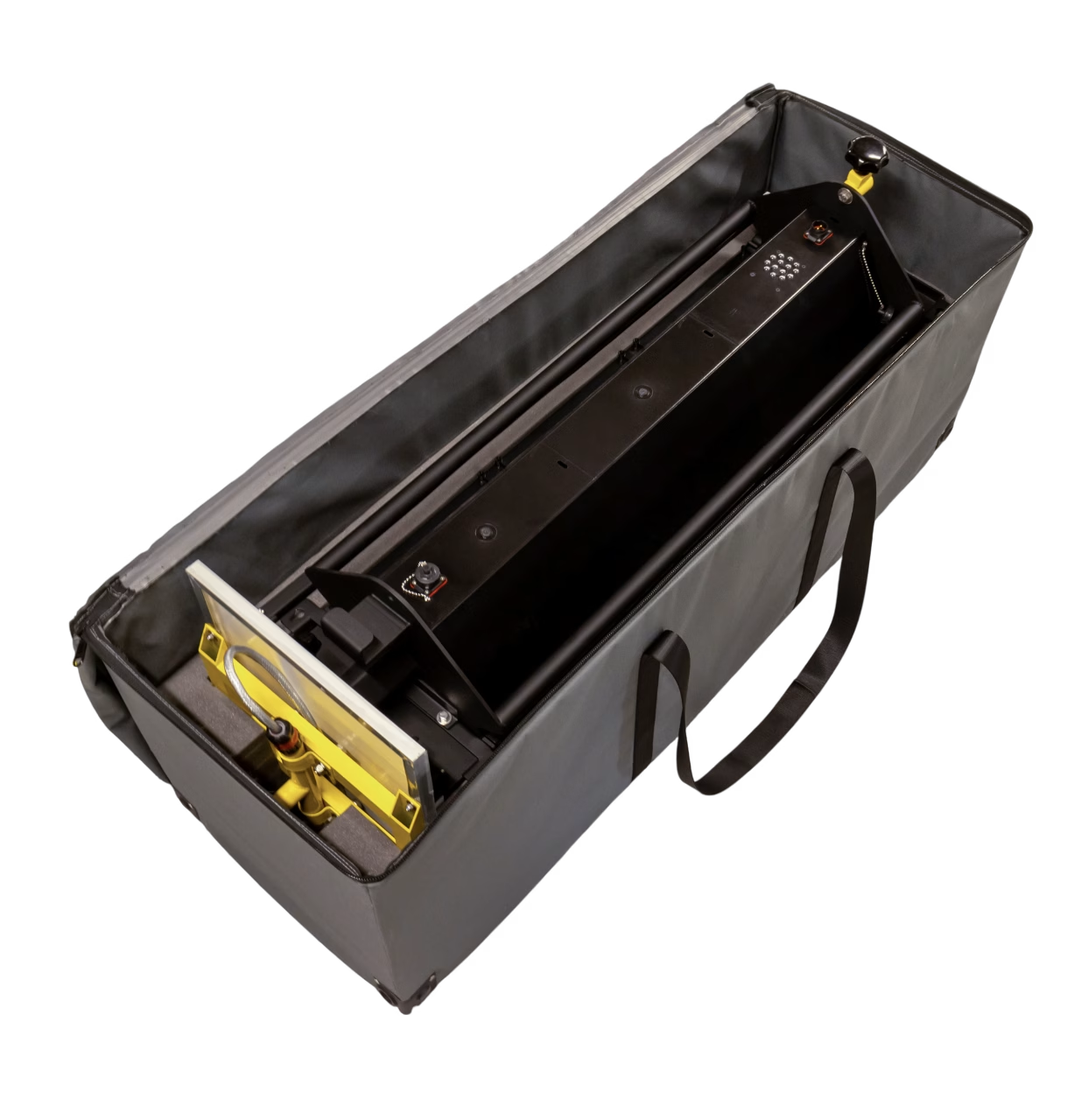
- and a dedicated carry bag for transport.
The lantern housing contains a controller with an RF communication module that receives commands from the HRC. The HRC is a wireless remote control with an integrated display and a simple user interface that allows the operator to configure traffic light operating modes, activate or deactivate alternating vehicle passage, and monitor the system status in real time. HRC remote control can be charged wired or wirelessly when placed in the battery case.
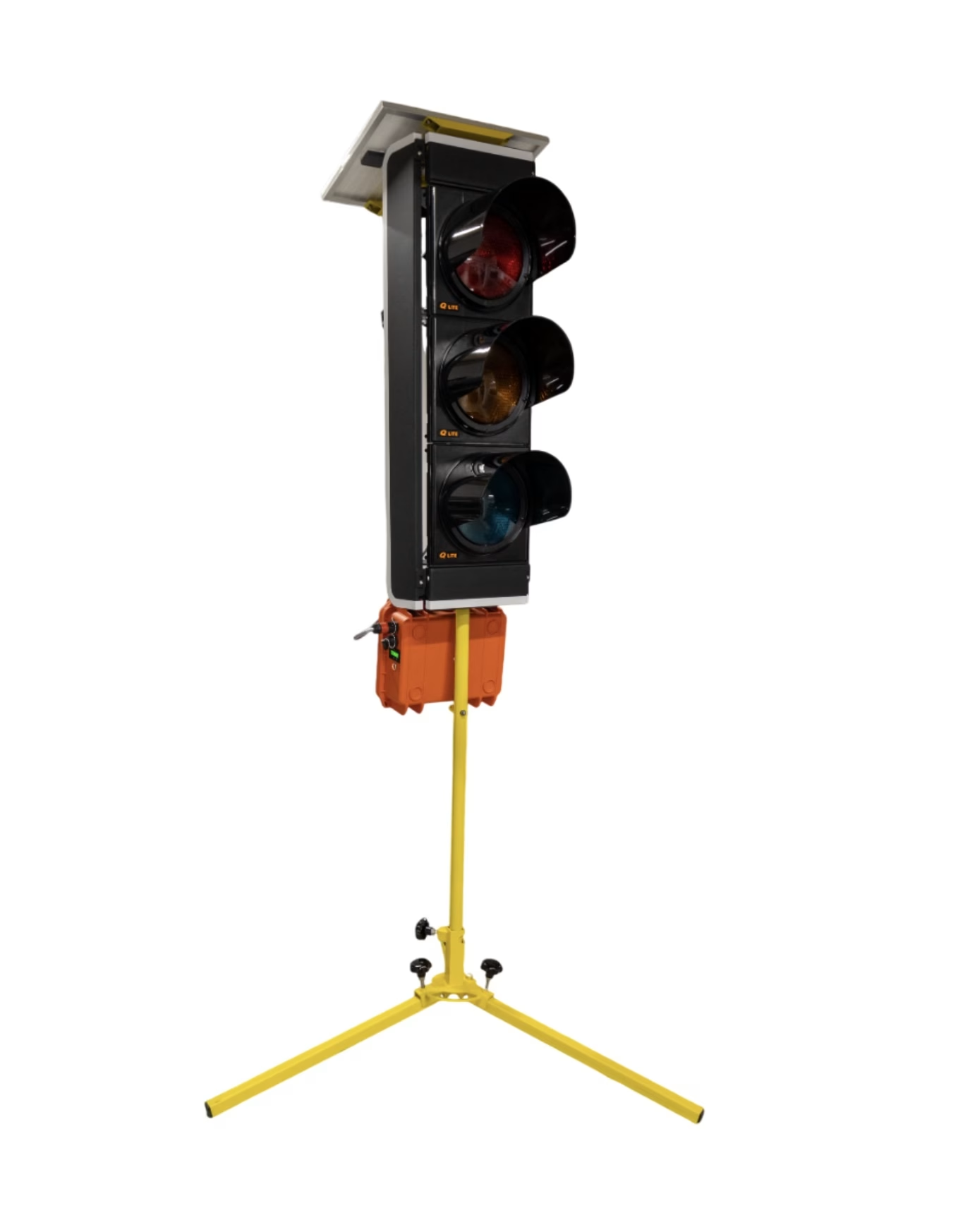
The tripod has an elegant, two-part construction with independently adjustable legs for stable placement on uneven terrain.
To ensure safe transportation, this system is supplied with a durable carrying case featuring custom foam inserts that securely hold all components.
The devices support several operating modes, allowing them to adapt to different traffic control scenarios. Each mode defines how the HRC communicates with the controllers in the lanterns and how they control their operation. The available modes are:
- Single Mode – Connects one HRC to one lantern
- Dual Mode – Connects one HRC to two lanterns
- Timer Mode – Pair of traffic lights controlled by synchronized time
- VAS Mode – Connects one HRC to one VAS (variable message sign)
Premium system for alternating passing of vehicles – NPV-3/4W
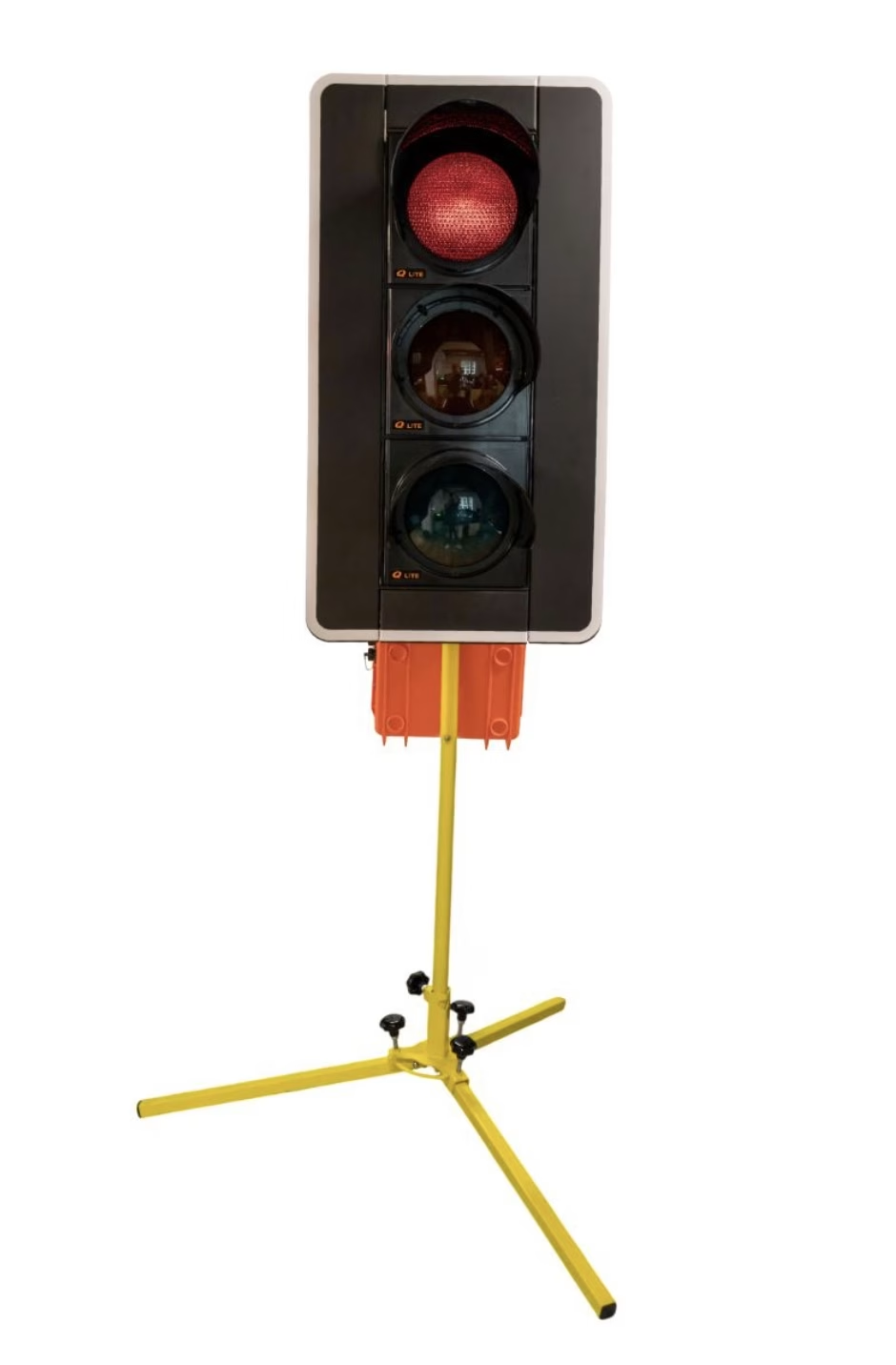
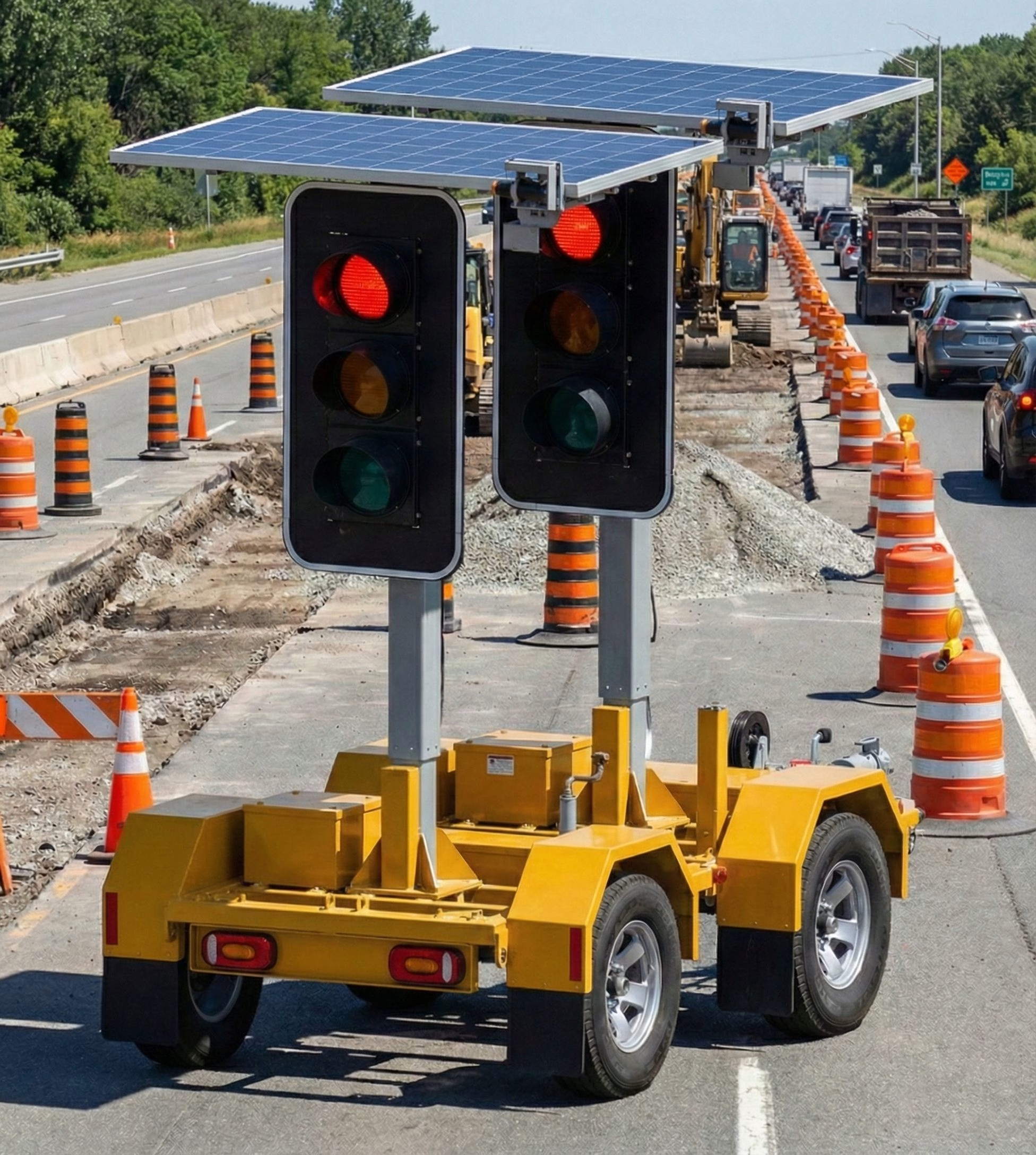
In this system, it is possible to connect two, three, or four traffic lights, depending on whether it is necessary to regulate alternating vehicle passage or traffic at a three-way or four-way intersection. It is equipped with high-visibility traffic lights manufactured in accordance with EN12386, a remote control system, optional additional pedestrian traffic lights, and solar power.
Integrating advanced LED technology, intelligent control electronics, and robust construction, thus ensuring reliable traffic management, quick installation on site, and flexible and reliable operation in all weather and traffic conditions.
The system is managed via a wireless remote control – HRC (Hand Remote Controller).
Through an integrated screen with a simple user interface, the operator can configure traffic light modes, activate or deactivate alternating vehicle passage, and monitor the system’s status in real time. The device supports multiple operating modes, enabling flexible adaptation to different traffic regulation scenarios. Each mode defines how the HRC unit communicates with the traffic light controller and how it operates.
There are:
- Automatic mode
- Manual mode
- Red light mode
- Vehicle activation mode
- Flashing yellow light mode
- RTC mode
Each of these portable traffic lights systems can be installed on a trolley, a tripod, or a signal trailer, so users can choose the most suitable solution for them.
DMV Control Center
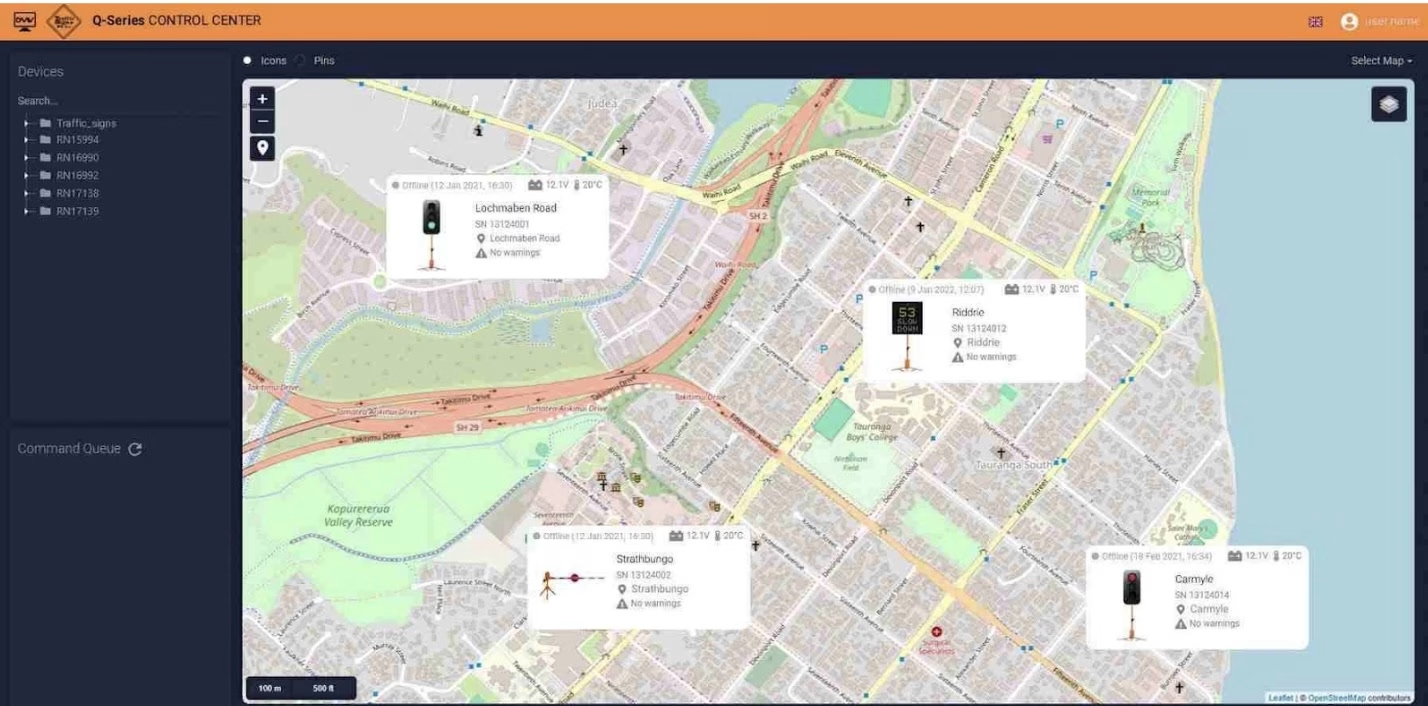
DMV Control Center is a web portal that allows management and control – link to page
Some important functions of the DMV Control Center for monitoring portable light systems:
- List of all devices registered to the user account, with a mark of currently available devices
- Communication status – provides information on whether the device is online / and when it was last
- GPS location tracking. The user can know the exact location of their devices at any time
- Automatic alarms and warnings for various problems in the operation of the device
- Graphic display of battery voltage status
- SMS or e-mail notifications. For example, if the battery voltage drops below a certain threshold, the maintenance staff will receive an SMS or email and can immediately respond to resolve the issue.
The DMV Control Center can be tailored to specific client requirements, allowing flexible configuration of functionality and user interface.
Need a customized solution?
Contact us, and together we will develop a system that fully meets your technical requirements and project conditions.