Graphical VMS
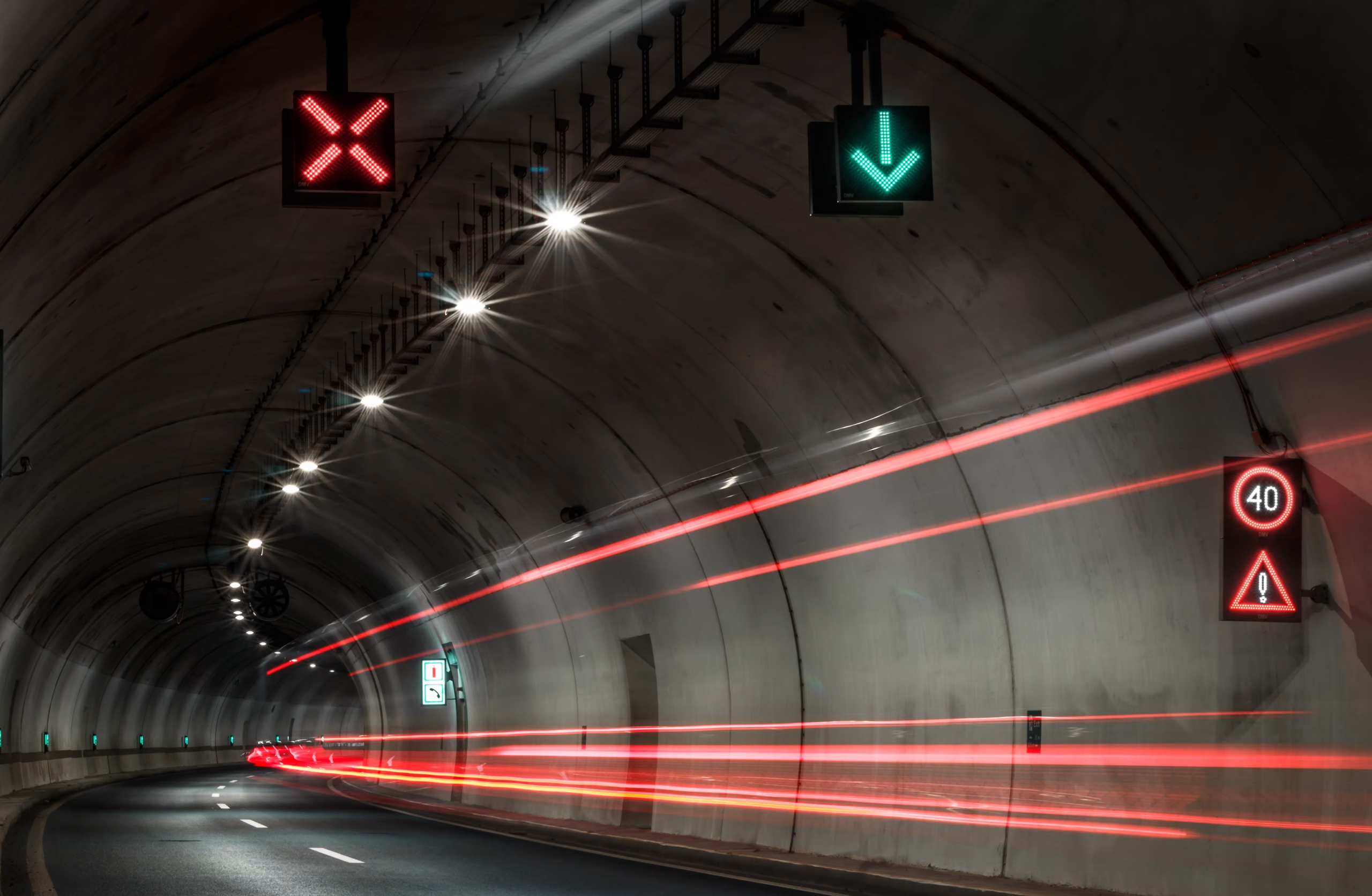
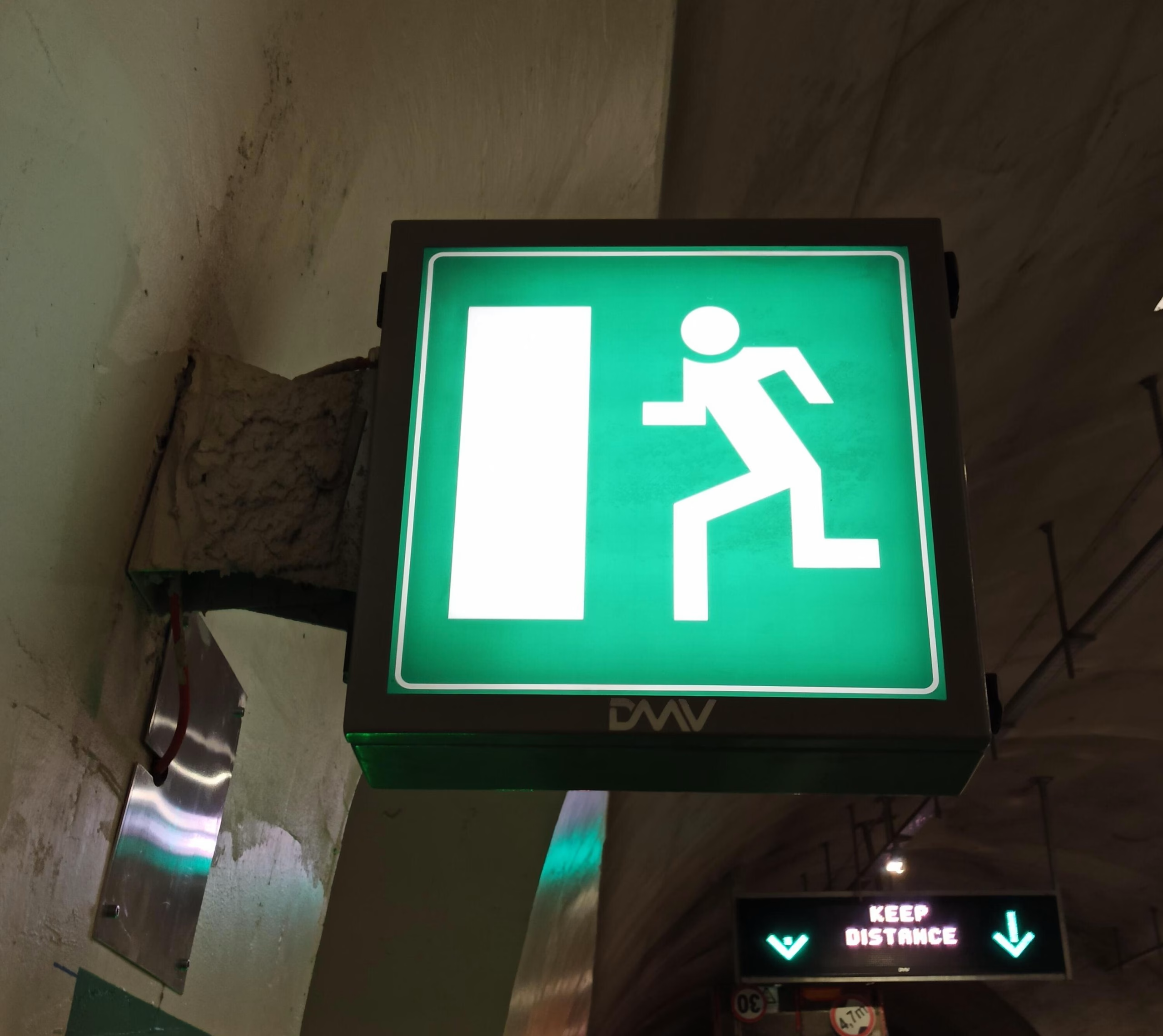
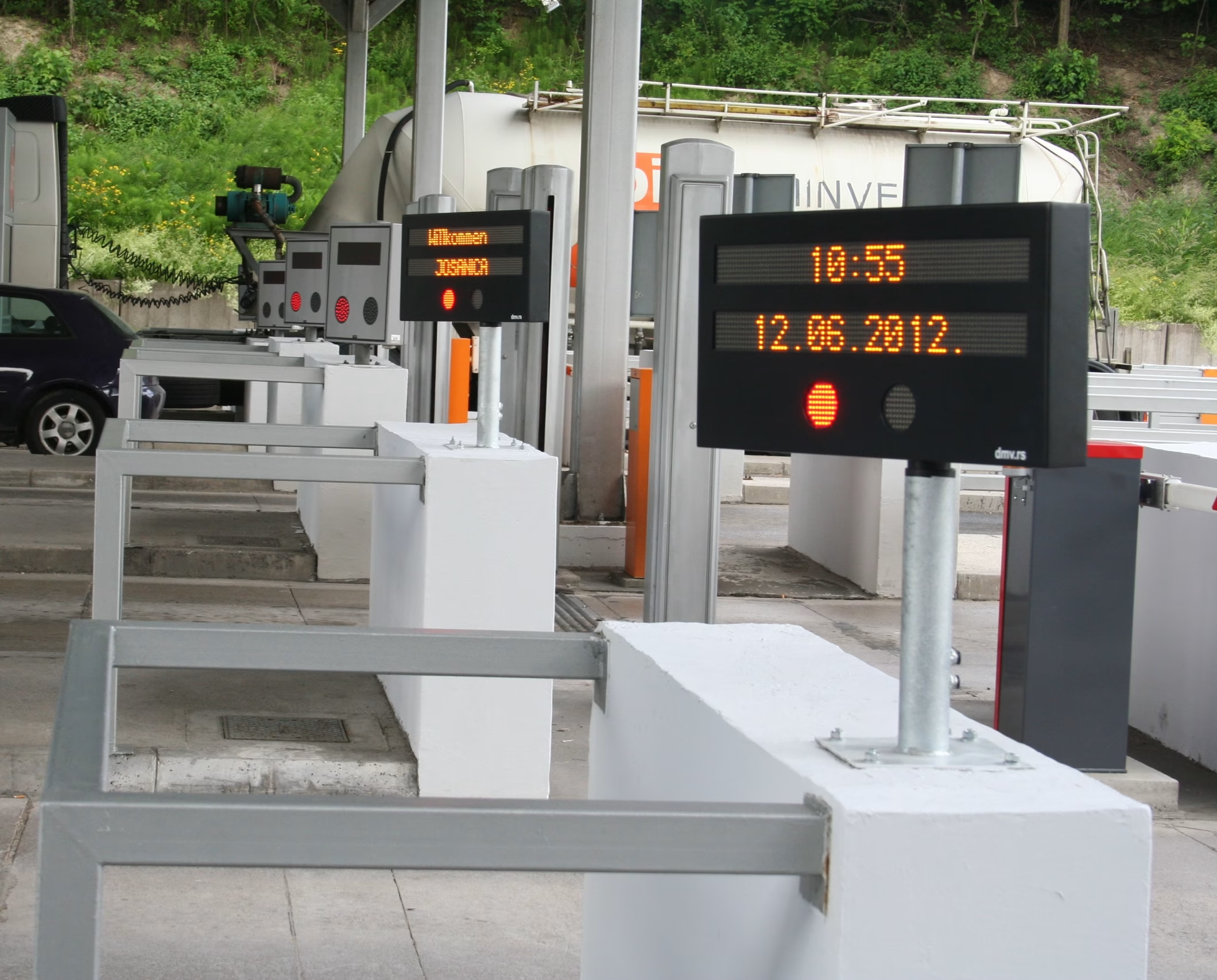
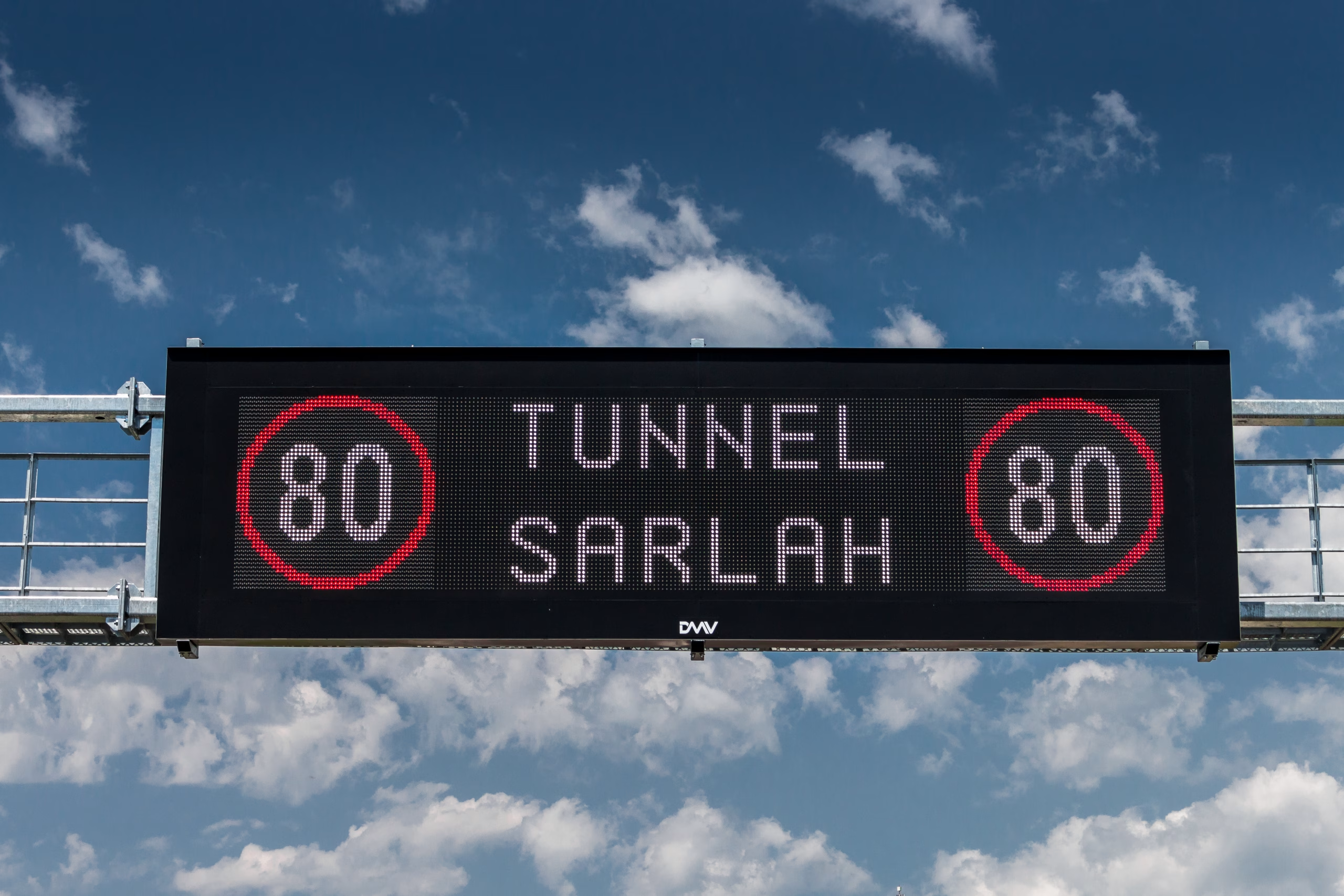
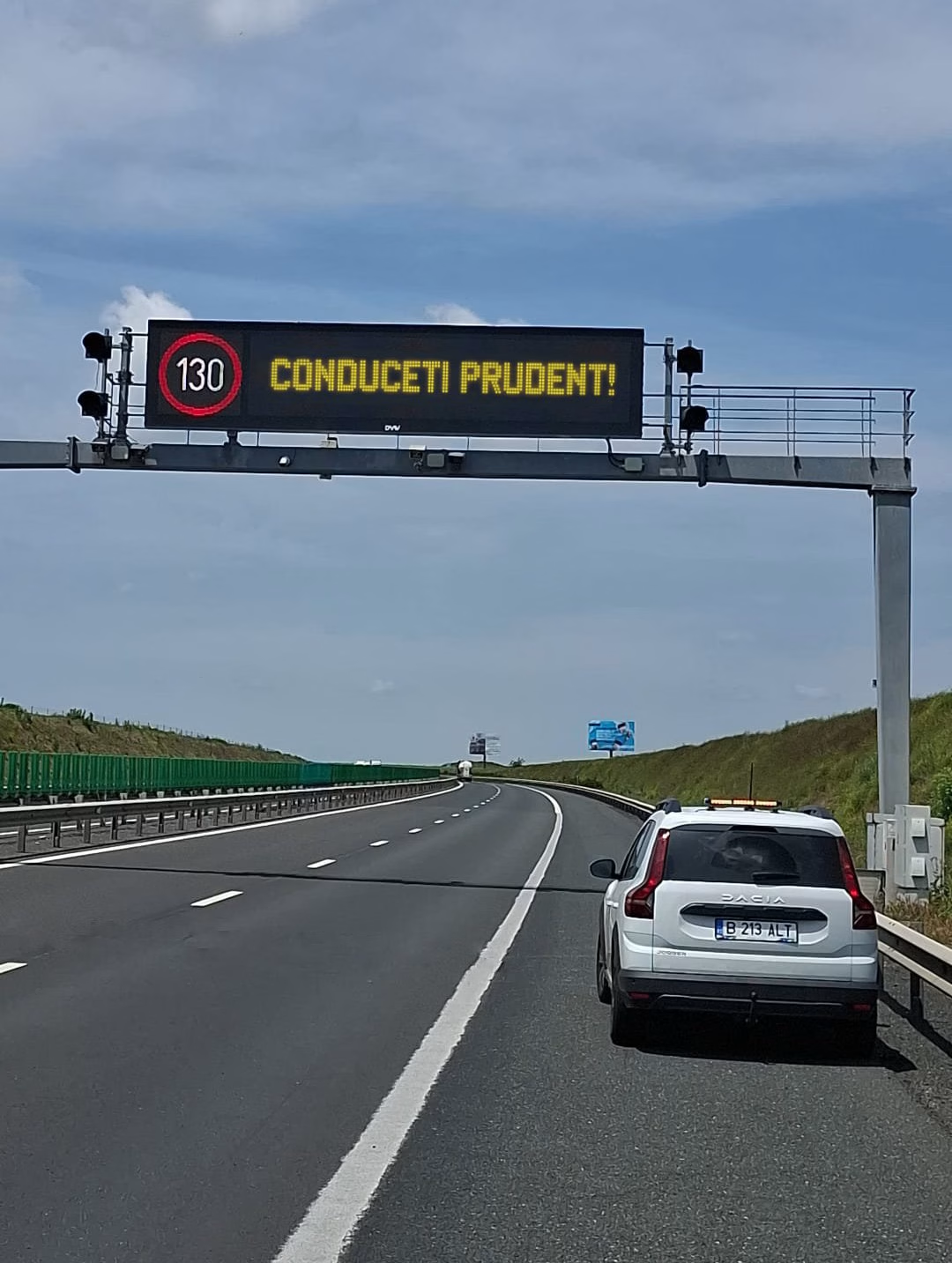
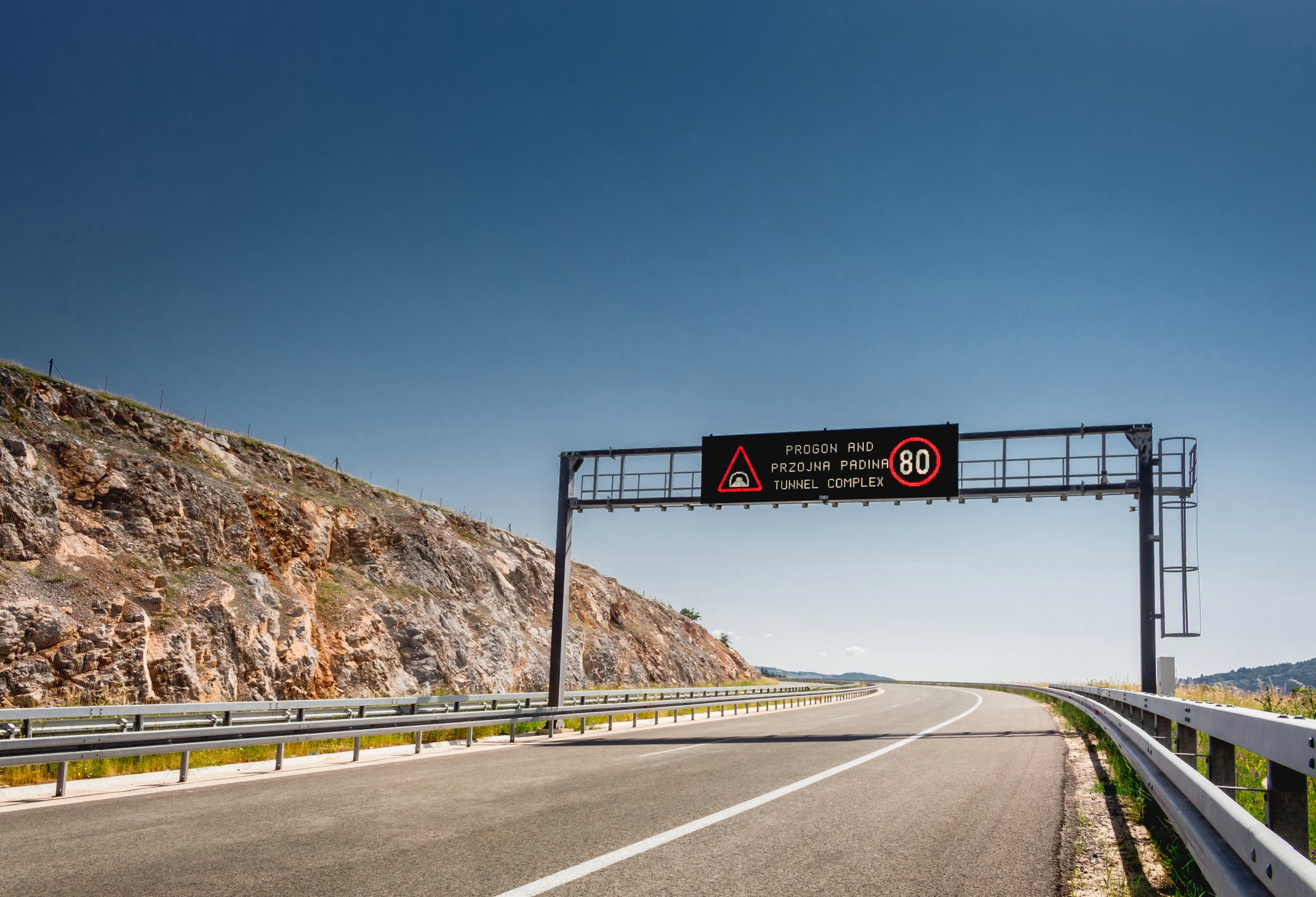
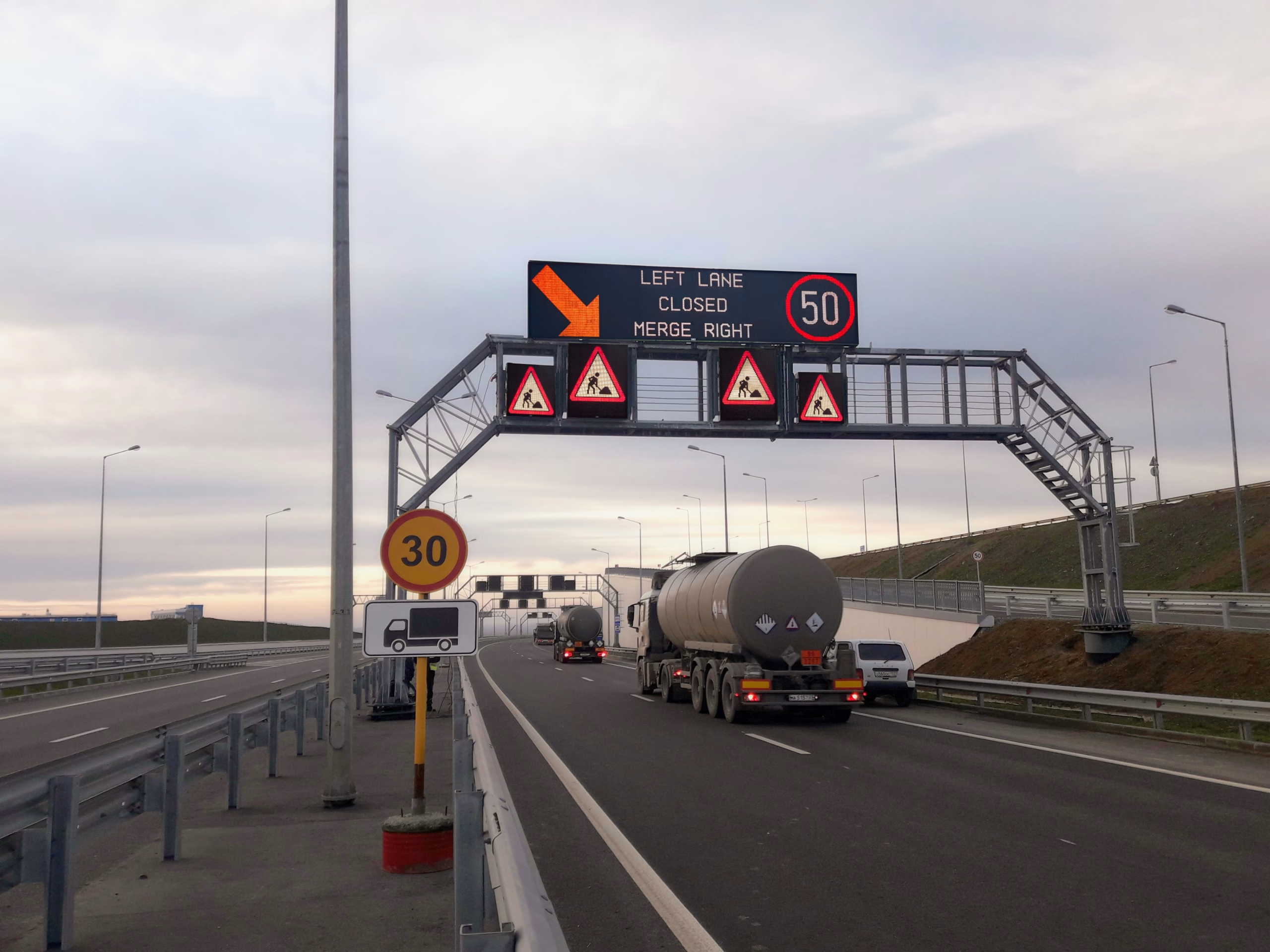
Graphical (matrix) Variable Message Signs can display text messages with characters in different heights and types, as well as a large number of graphic symbols and traffic animations. Many graphic symbols, animations, and text messages are predefined in a display memory (library), while the user can create their own message, font, or symbol as needed. It is possible to change alternatively 2 or more graphic symbols/messages with programmable intervals.
DMV offers single-color (1C), two-color (2C), and full-color (FC) graphical signs. Single-color signs are primarily used for text messages, while two-color and full-color signs can display both traffic symbols and text.
Simple software integration and management
These signs are typically connected to Traffic Management Software (ITS) via Ethernet or RS485 serial communication. DMV offers a wide range of standard communication protocols for integration, including Modbus, Profibus, NTCIP, UTMC, Sitos, RSMP, and NMCS via RS485, as well as control via digital inputs/outputs. Additionally, we provide our well-documented DMV Oblak protocol. During software integration, you can rely on full support from our software team and our dedicated tools for protocol development and debugging.
Besides integration in different ITS platforms, these signs could also be managed via DMV software:
Command Console (Android or Windows-based application) – service software used for direct control and maintenance on the site or
Control Center (Web-based portal or SCADA server software)
Maximum visibility with high power efficiency
Thanks to the superbly designed optics for all certified pixel pitches, our signs meet the highest optical classes of the EN12966 standard – L3, R3, C2, B3, B6, or B7 with small percentages of current through the diodes.
This provides a very long LED lifetime and low power consumption. Signs are designed with constant-current LED drivers that provide stable luminance, independent of mains-voltage tolerances.
Various pixel pitches and custom production
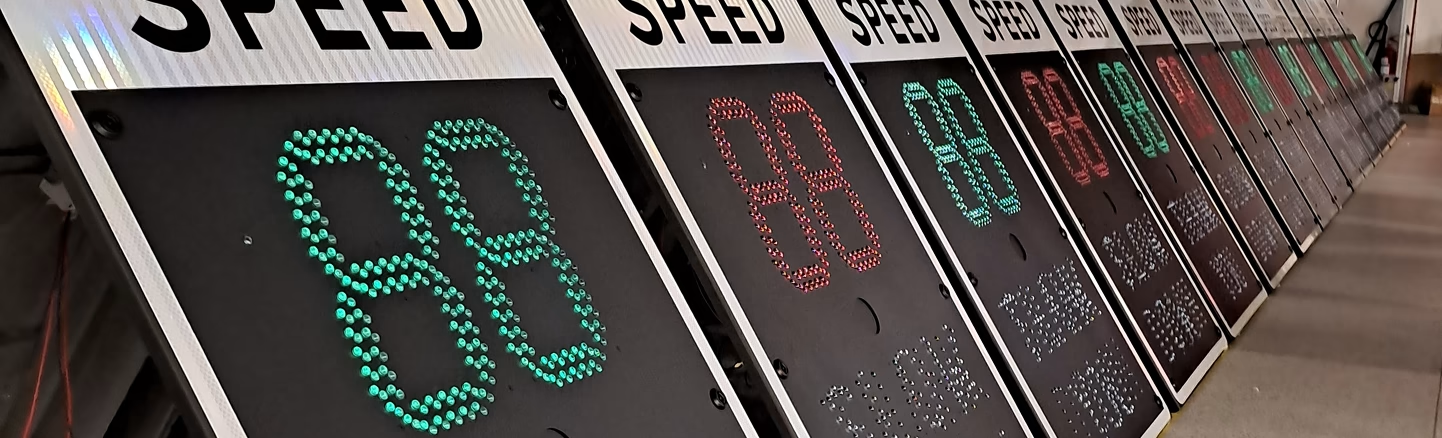
Matrix field resolution consists of elements arranged in an orthogonal matrix, with defined horizontal and vertical spacing between the elements – pixel pitch.
The number of those elements can vary, allowing the matrix field to have different resolutions. A higher number of pixels per unit area leads to better-shaped displayed symbols and characters, but also to higher power consumption and a higher price. The pixel pitch can be wider or finer. When the aim is cost-effective design and optimized sign power consumption, we recommend a wider (30 or 25mm) or normal (20mm) pixel pitch. If it is necessary to place more textual information or more complex images, we suggest fine (15mm) or very fine (12 or 10mm) pixel pitch.
Need a customized solution?
Contact us, and together we will develop a system that fully meets your technical requirements and project conditions.