Traffic Monitoring and Detection Solutions
Systems for automatic announcement of traffic events enable the timely distribution of information related to traffic incidents, congestion, and road conditions. Implementing this system helps optimize traffic flow by allowing users to make informed decisions about the fastest route. Overall, the system improves mobility, safety, and efficiency in modern transportation networks and helps reduce traffic congestion and pollution.

System Components:
- Data Feed Platform – DFP
- Data Processing and Distribution Server – SER
- Traffic Management Service – TMS (includes an API module and a decision-making system)
- DMV Control Center Application – DMV CC
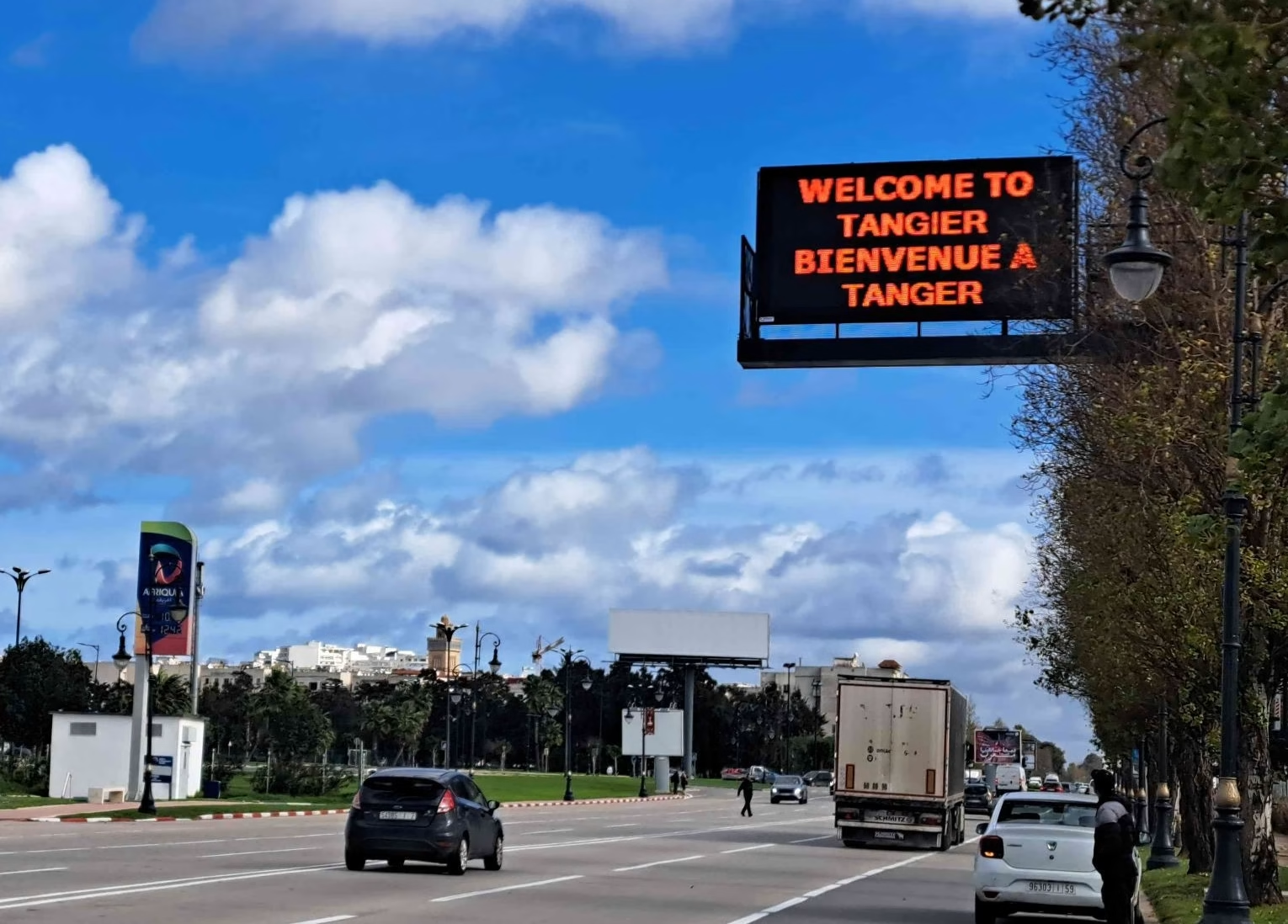

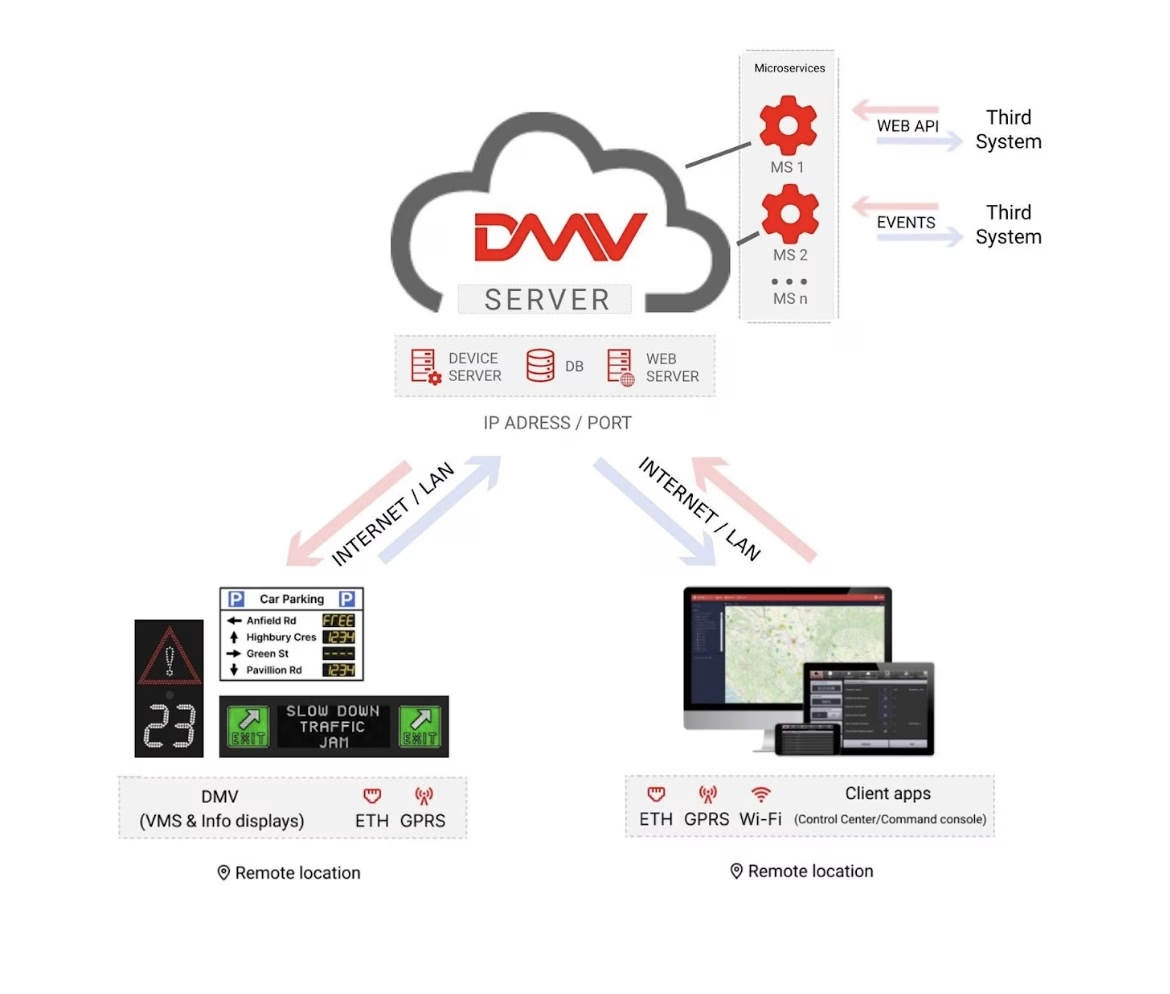
DMV Systems for automatic announcement of traffic events is connected to data feed platforms (such as Waze, Google Maps, and TomTom), from which it receives real-time updated information on traffic conditions along selected road segments. The system integrates advanced data processing and communication technologies, and its scalable architecture enables deployment in urban environments as well as on highways.
By automating processes, the need for manual intervention and the likelihood of human error are significantly reduced.
Data flow
1. An event has occurred and has been detected and registered by the data feed platform (such as Waze, Google Maps, TomTom). This platform supplies the entire system with real-time data.
2. The detected event triggers the Traffic Management Service (TMS) on the server. The data is received by the API module and processed by the decision-making system (within the TMS). After processing, the system sends messages to activate appropriate scenarios and to display relevant information on the corresponding traffic signs.
3. System management and device monitoring are performed through the DMV Control Center application.
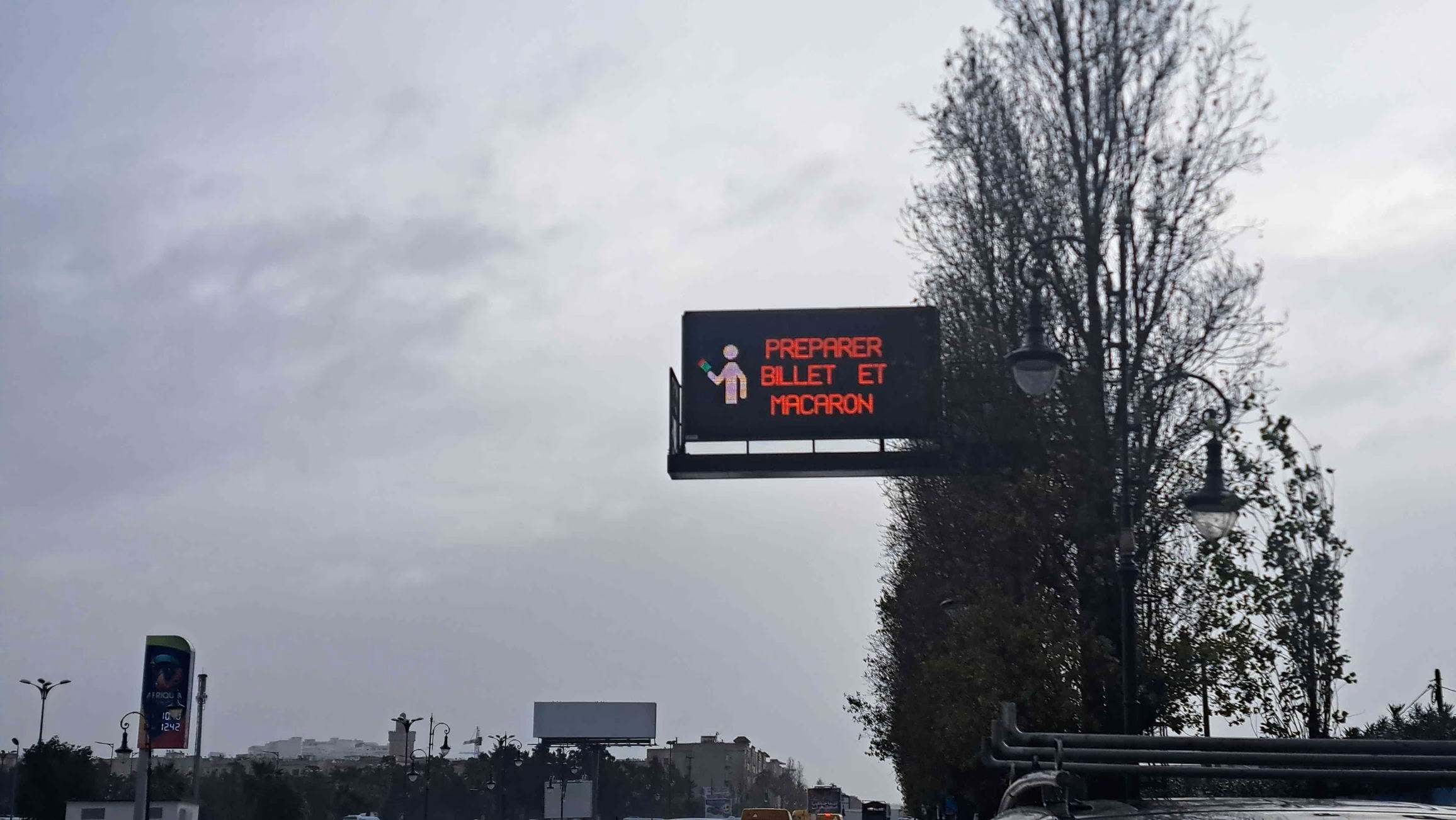
RGB matrix sign in the desired resolution and dimensions
Variable Message Signs TRS-RTNMFC
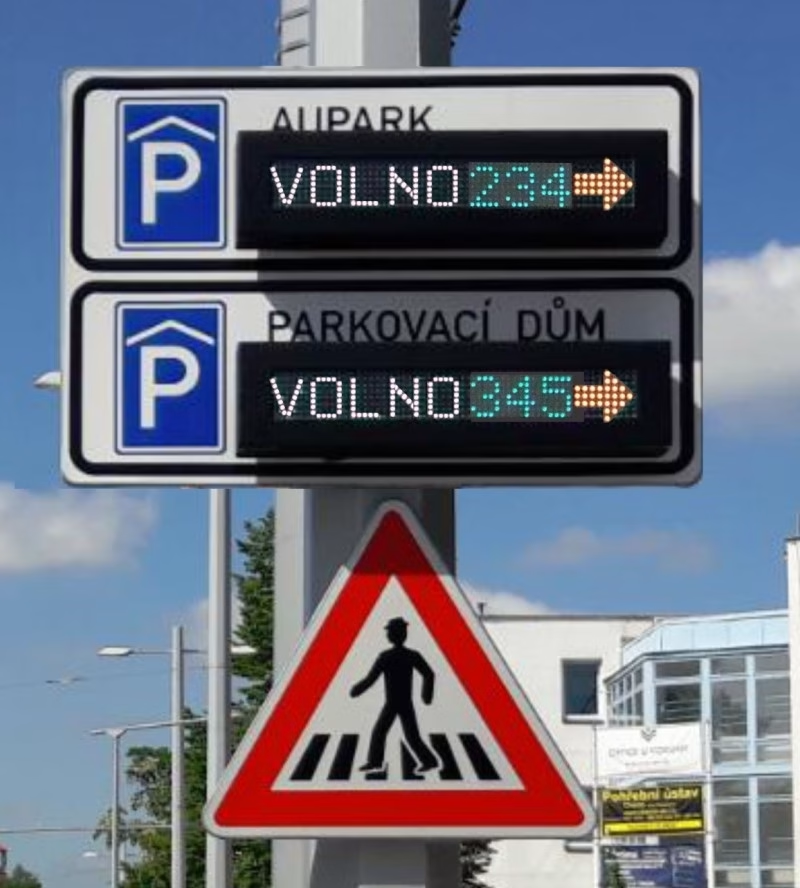
Manufactured in accordance with the highest class of standard EN 12966, enabling drivers to receive information about road conditions, travel time to specific destinations, and other relevant traffic updates. The client may define the desired sign dimensions and resolution, or these may be recommended by the DMV, depending on the type of road and the messages the client wishes to display.
It is recommended that the sign feature a full-color LED matrix display, enabling it to present messages with varying character sizes, numbers of characters, and multiple lines of text, as well as all standard traffic sign pictograms. The user can also create custom pictograms, fonts, or messages in different languages.
Operating Modes
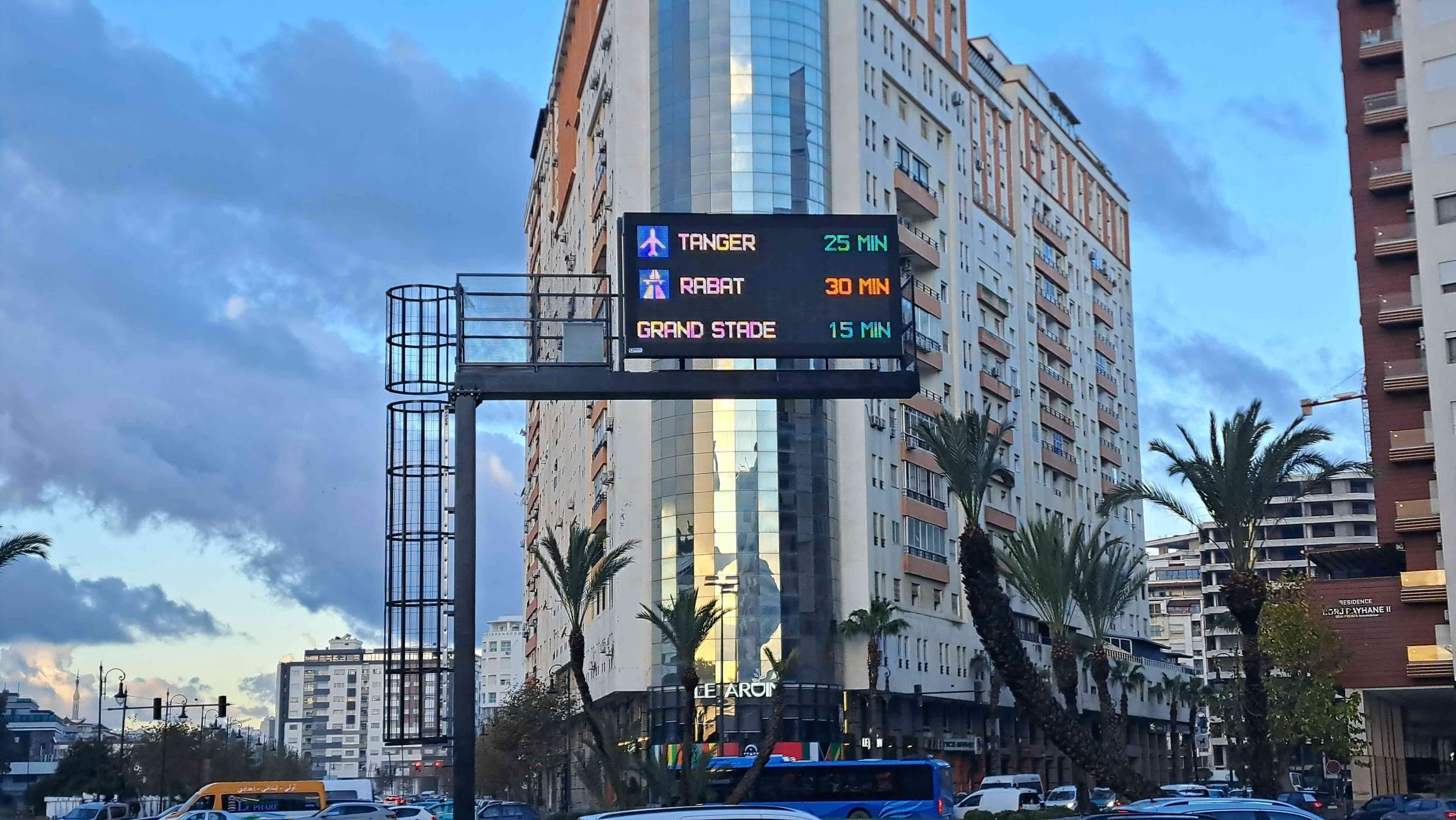
The Normal Mode is the default when no events trigger any other mode. Normal Mode can be combined with periodically activated warning messages. The Travel Time Display, in Normal Mode, shows the time required to reach a specific destination.
Slow Traffic Mode is activated when a high volume of vehicles, roadworks, or vehicle accidents slows traffic. When this mode is active, it warns drivers that traveling a specific route will take longer than expected.
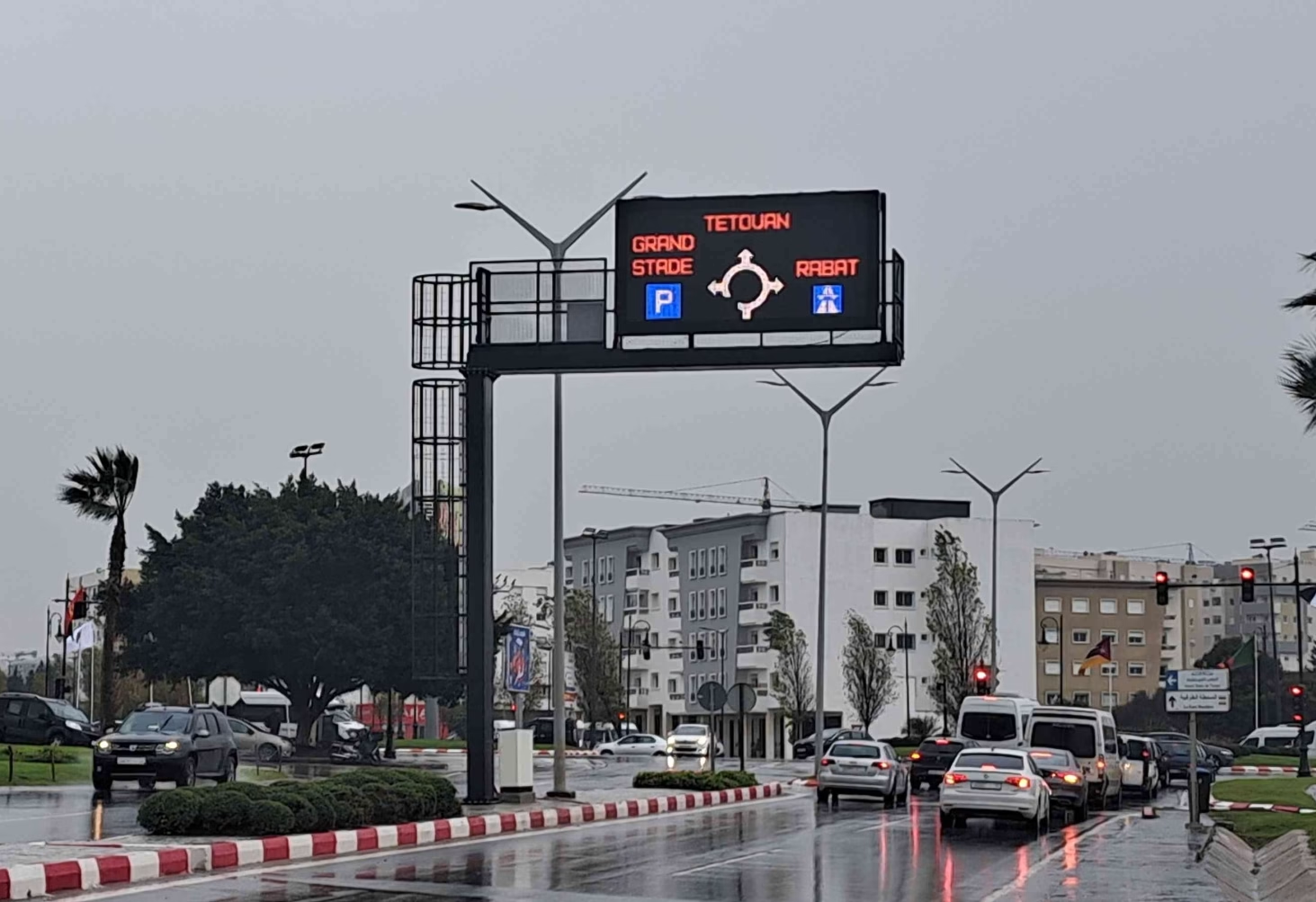
Blocked Traffic Mode is activated when traffic is stopped due to an accident, warning drivers that a particular route is blocked and displaying messages that redirect them to alternative routes.
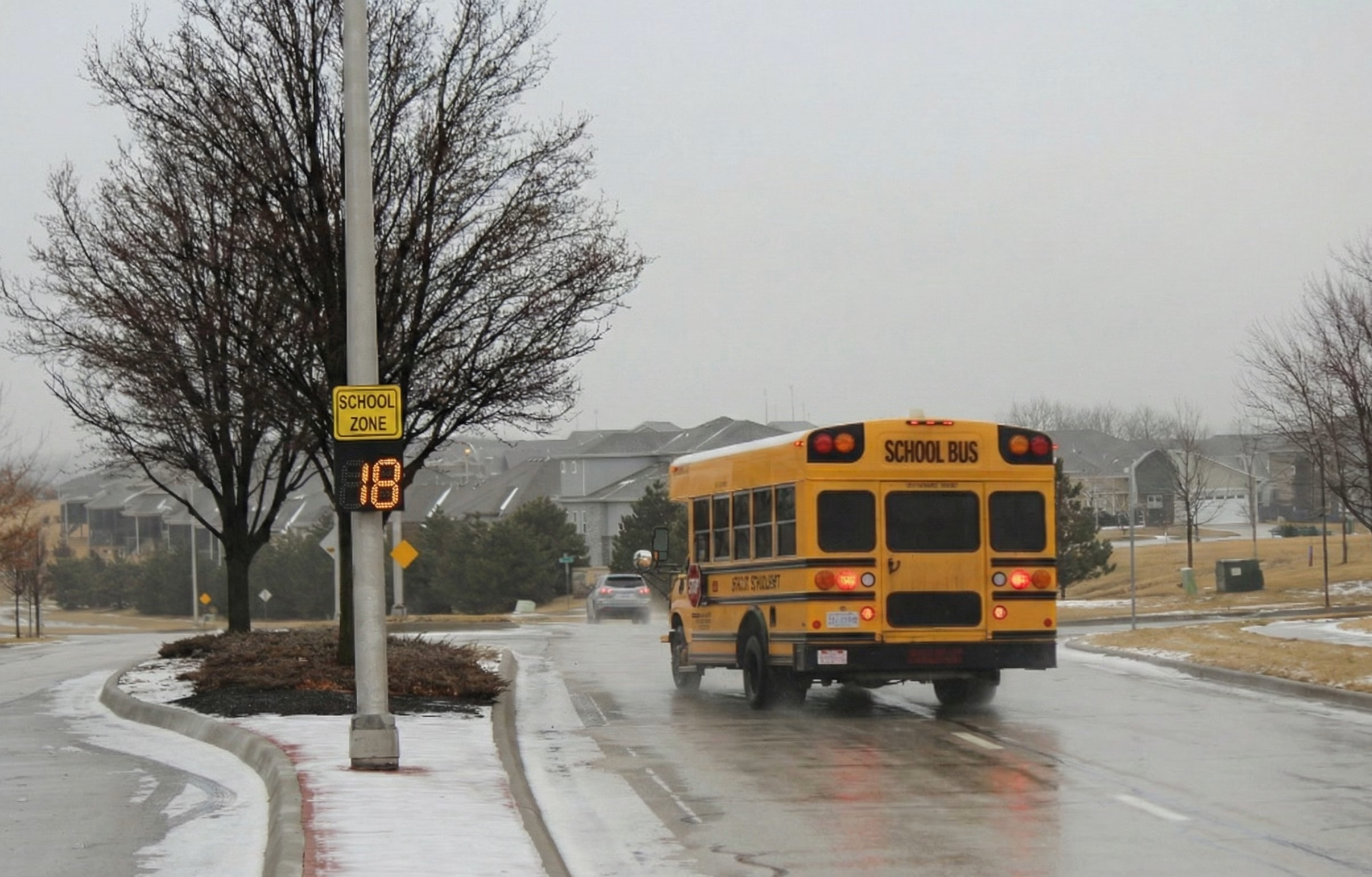
Safe Mode – when weather conditions include heavy rain, strong winds, or fog, displays can be activated in Normal Mode with additional warnings according to the prevailing weather conditions.
Holiday or Special Event Mode – on national or religious holidays, festivals, major sporting events, or cultural events, the system and its signs can display messages related to those holidays or events.
The system includes more than 500 predefined scenarios that can be activated automatically based on data received from the data feed platform, or manually by the operator in the Control Center.
Data Security
All communication between the data feed platform and the server, as well as between the server and the variable message signs, is encrypted through a secure VPN tunnel to ensure the integrity and confidentiality of the exchanged data.
The advantages of the DMV System
The advantages of the DMV System for automatic announcement of traffic events are:
- Improves traffic flow and reduces congestion and pollution
- Increases mobility and overall road safety
- Enhances response time to traffic incidents
- Reduces reliance on manual reporting
- Supports better decision-making for both drivers and traffic management authorities
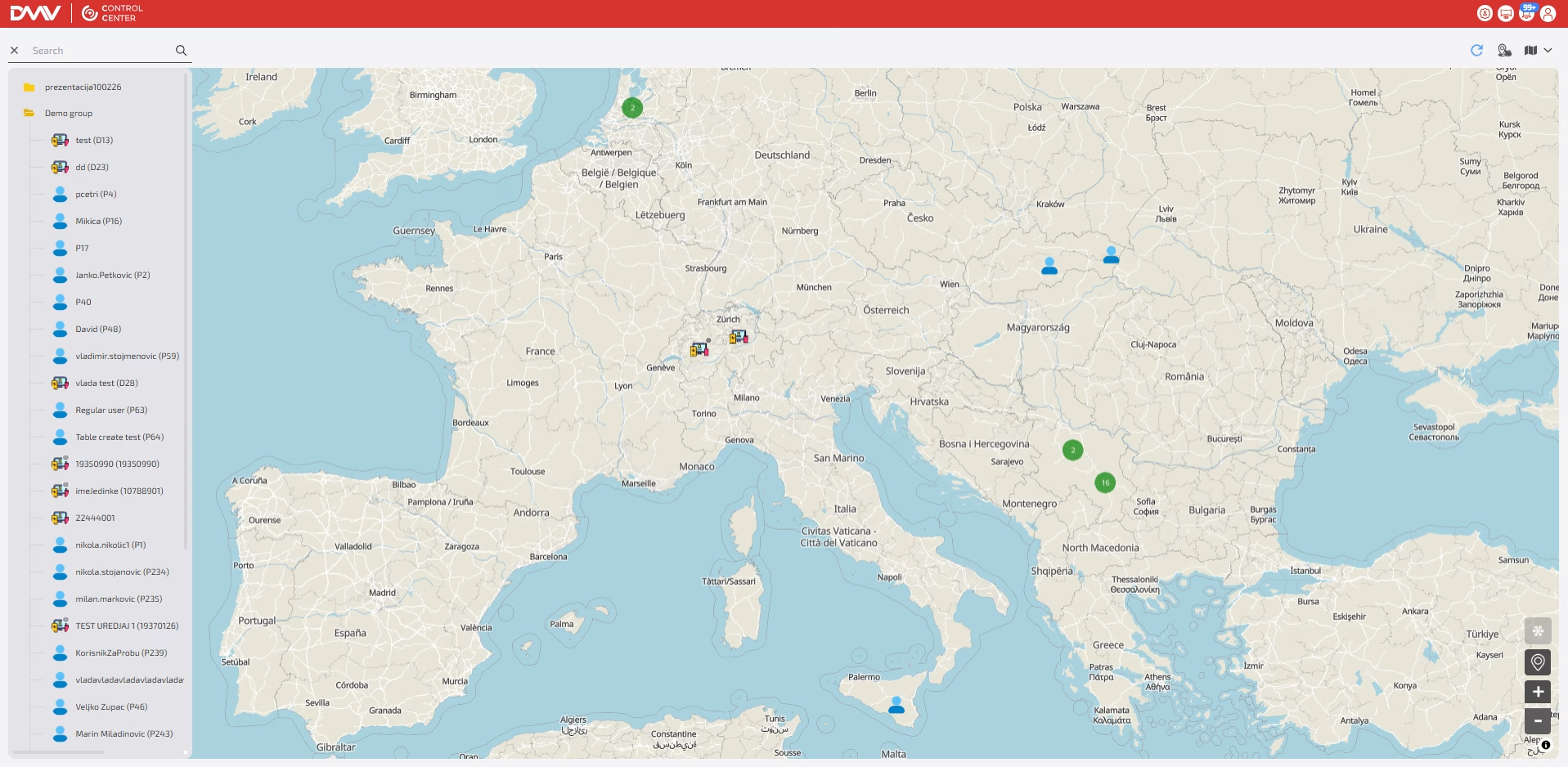
DMV Control Center
The Control Center is a web-based portal that enables the management and monitoring of various devices or systems. Users can easily access data through any web browser – no additional software installation is required.
After logging in, an intuitive dashboard appears, showing a map of all devices at their locations. Devices can be accessed by clicking the map or by searching by serial number or device name.
Need a customized solution?
Contact us, and together we will develop a system that fully meets your technical requirements and project conditions.