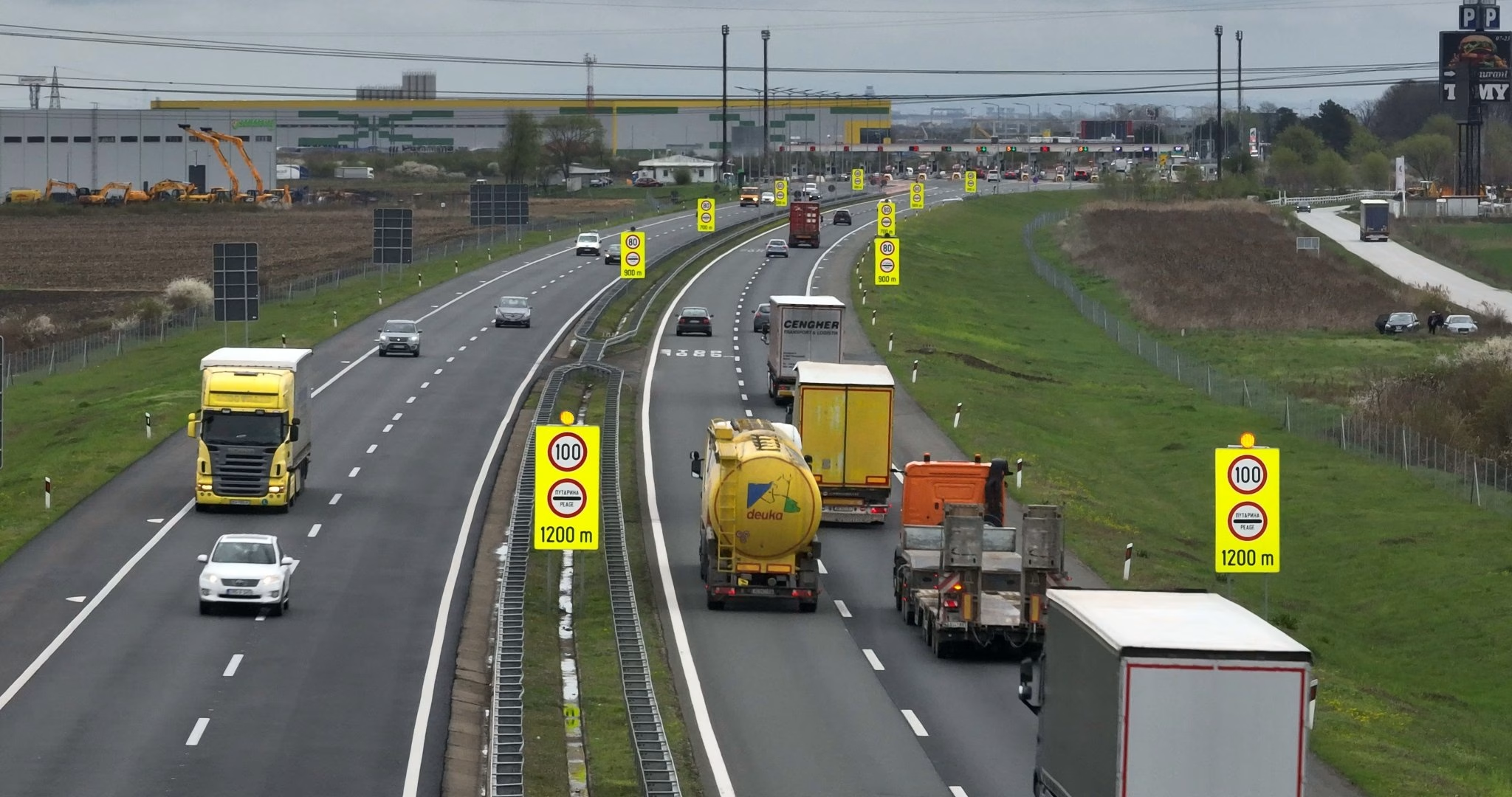
Synchronized flasher system in front of a toll station
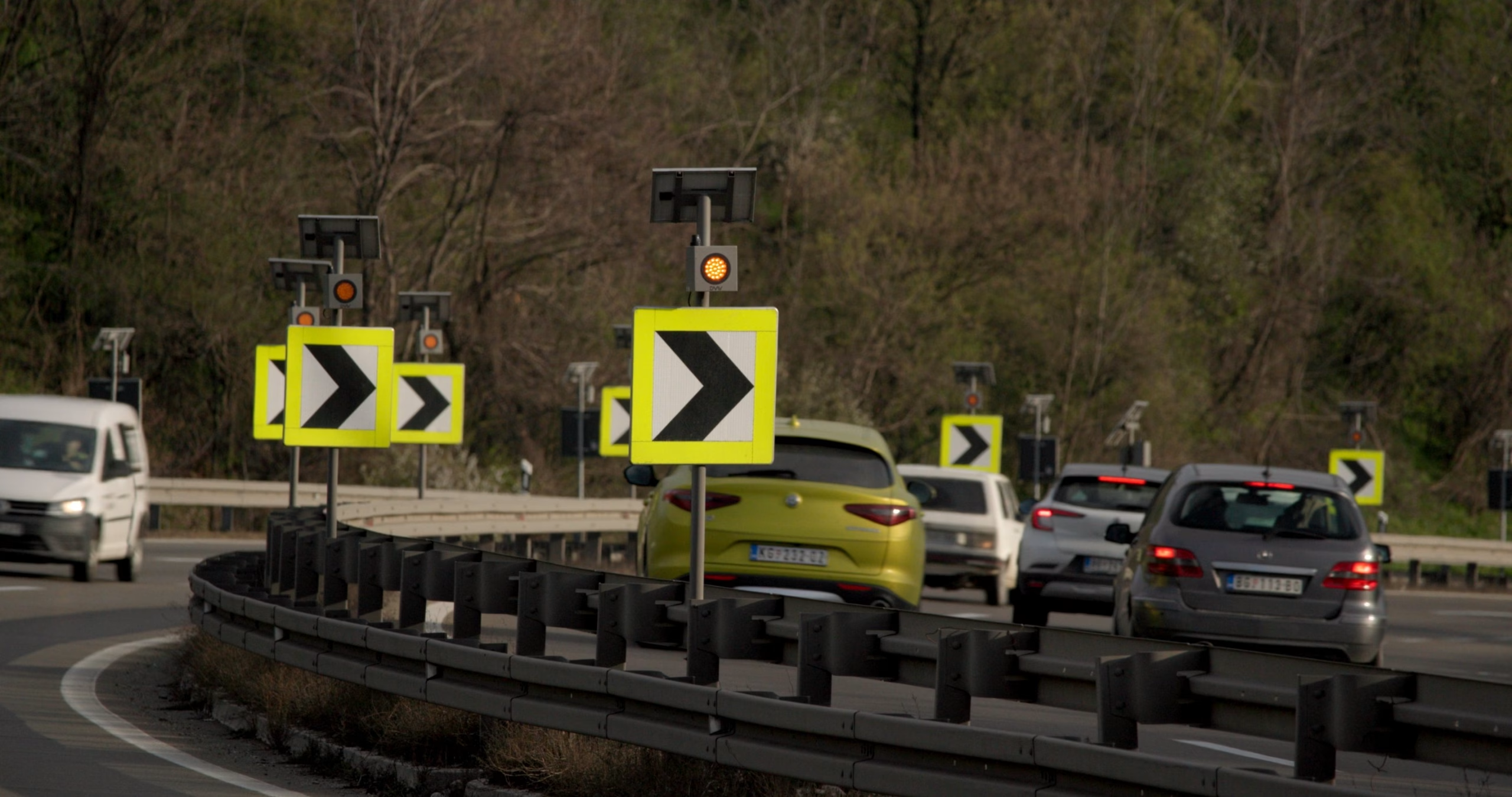
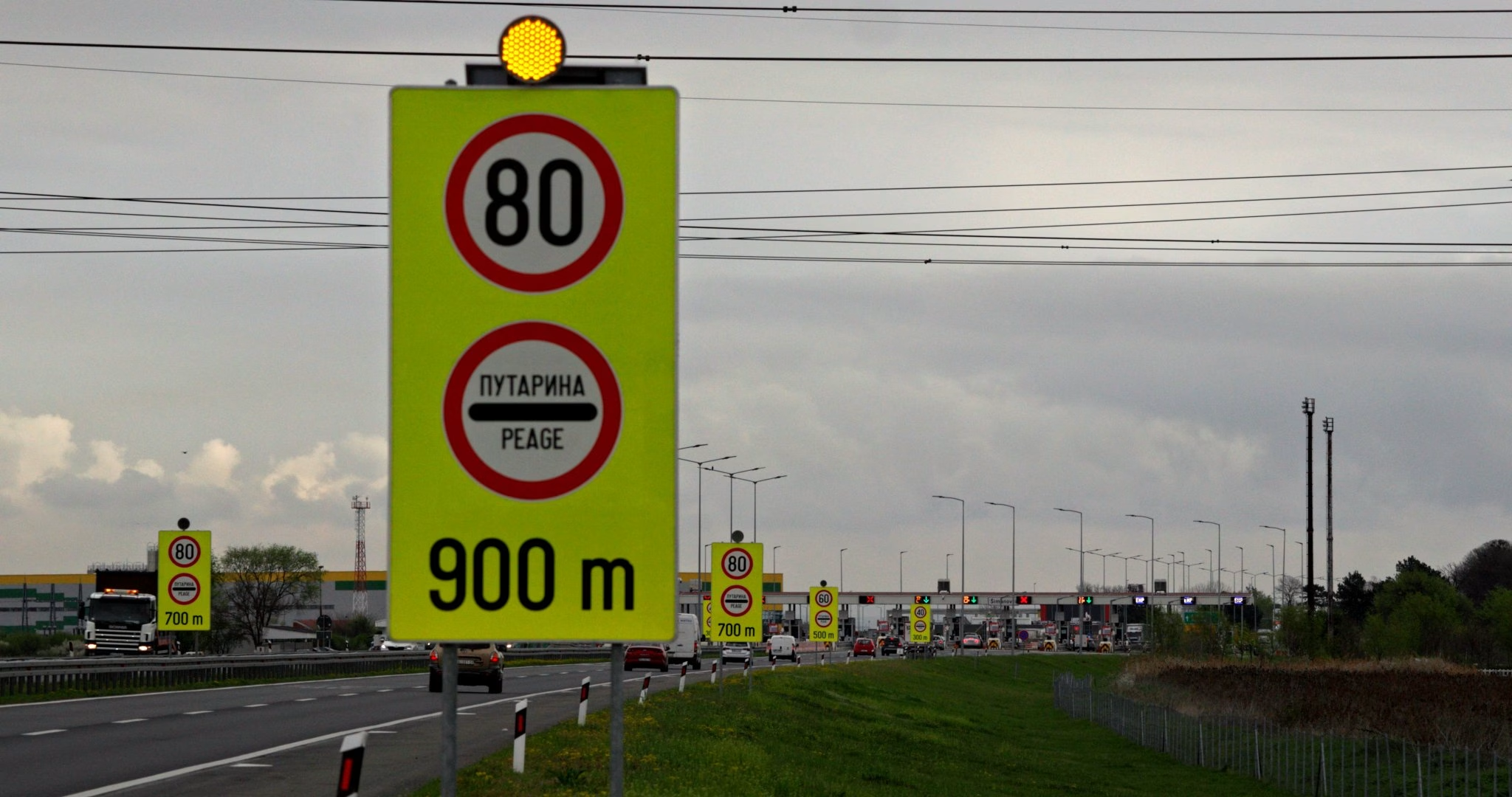
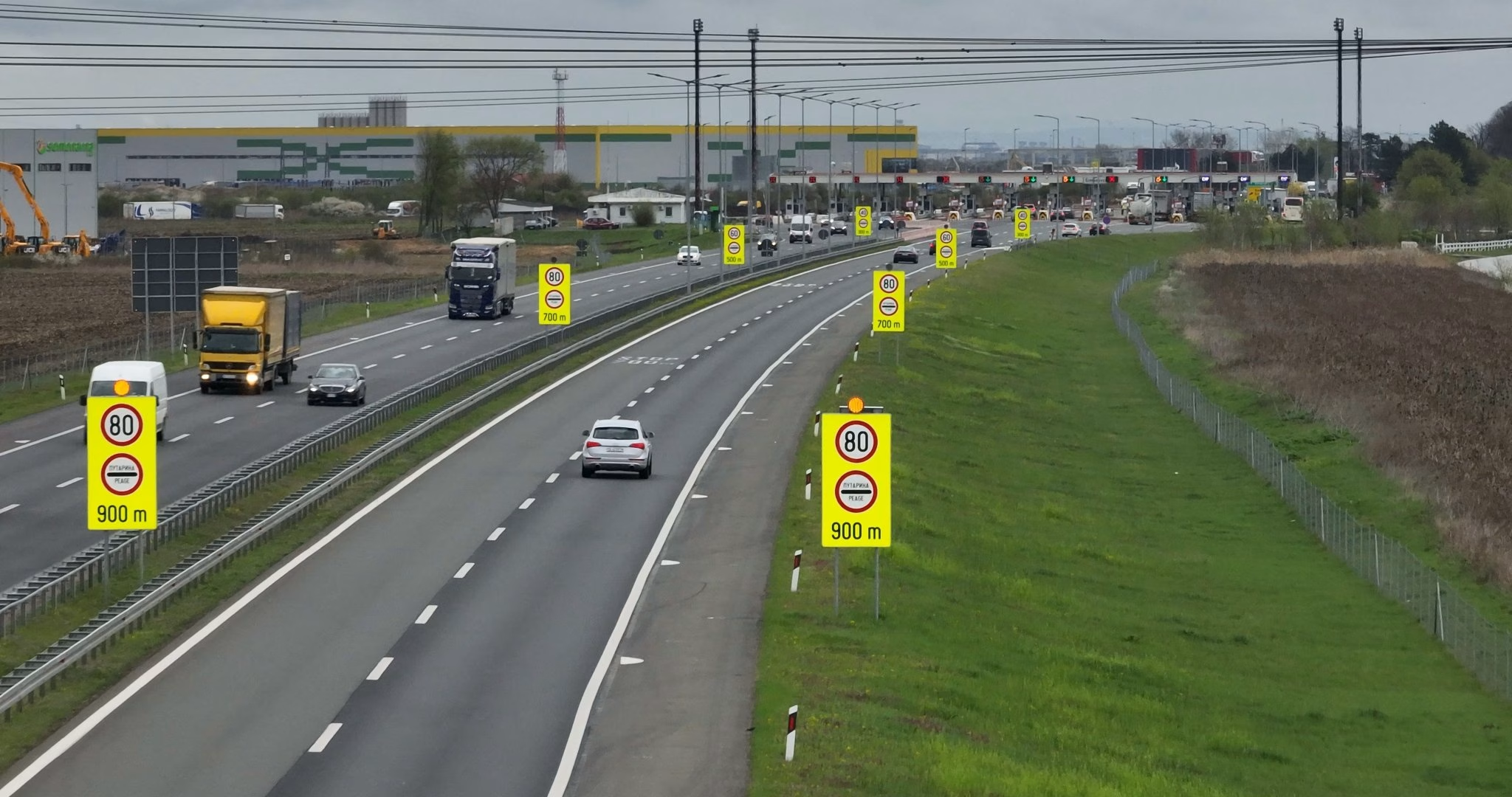
A synchronized flashing system in front of a toll station is designed to warn drivers approaching a frontal toll station to reduce speed in time. This system consists of pairs of flashing LED lights installed above existing retroreflective toll approach signs on both sides of the road, facing traffic.
System Components:
- Master Flasher, containing the control unit
- Slave Flasher,
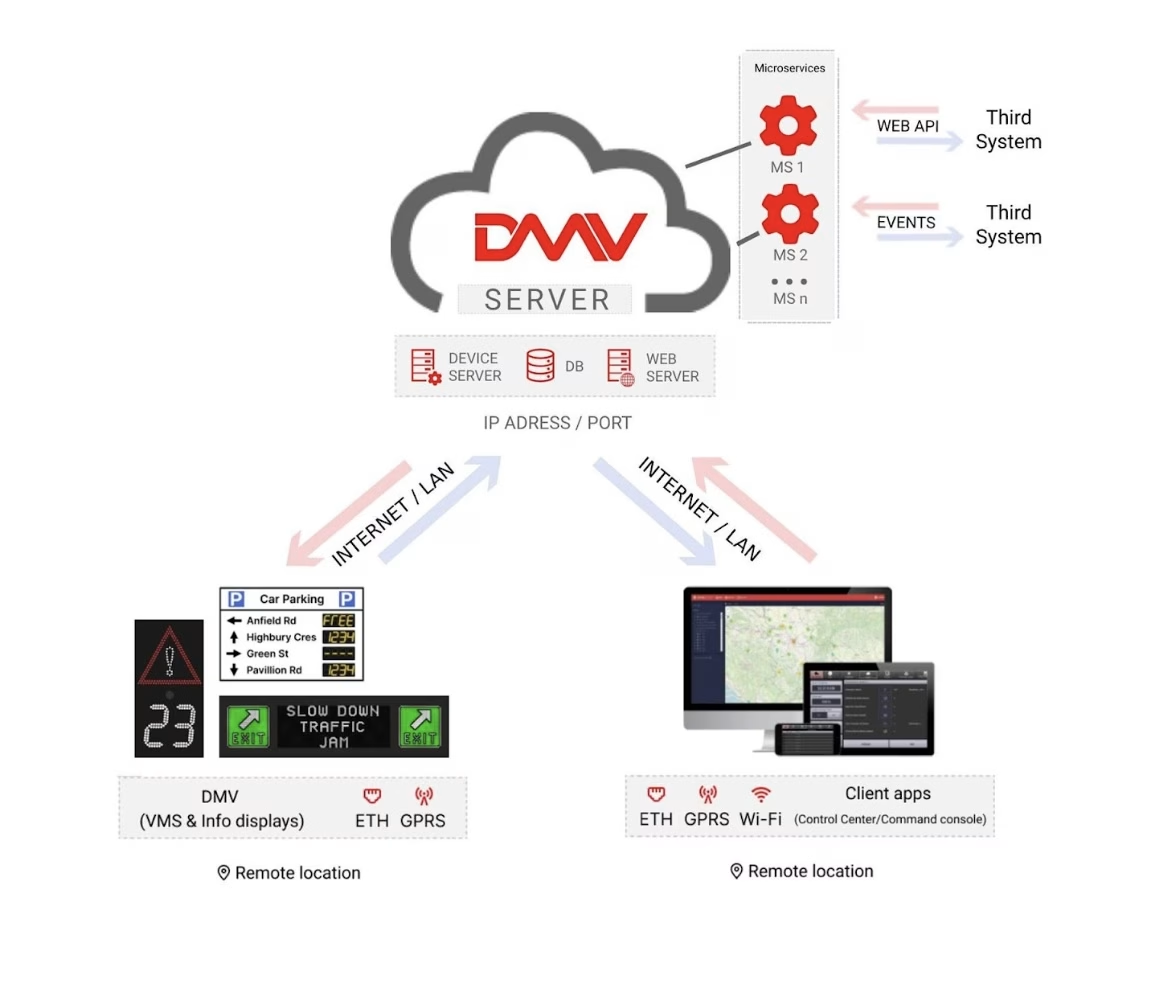
- DMV Control Center management software.
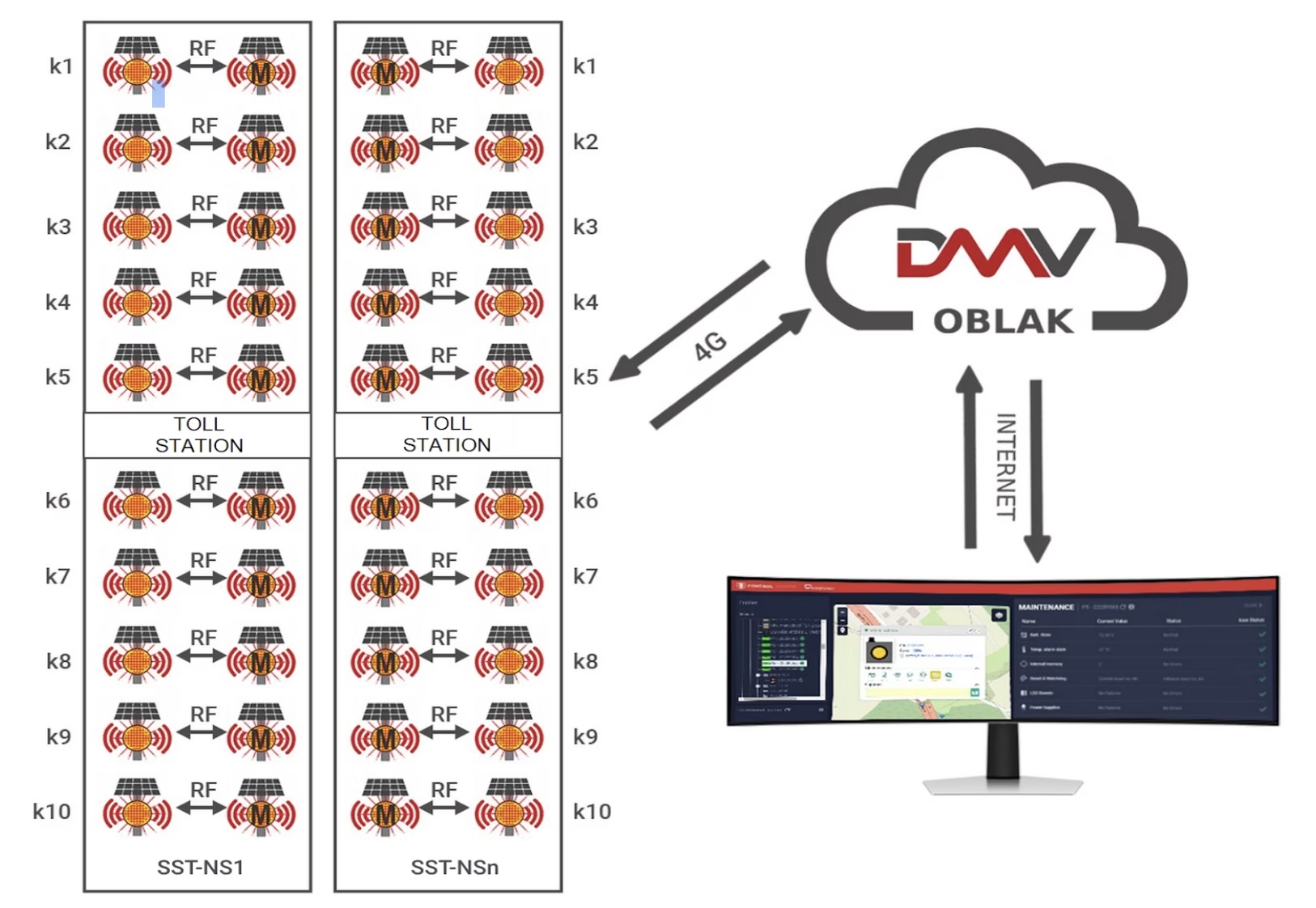
Multiple pairs of flashers are installed before the toll station. The term “pair of flashers” refers to one flasher with the control unit, GPS receiver with PPS synchronization, RF transceiver, and 4G modem placed above the sign on the right side of the road (master flasher), and the second flasher placed above the sign on the left side of the road (slave flasher) with an RF transceiver through which it communicates with the master flasher providing synchronized operation of a complex system without physical connections between units. All flashers operate in real-time synchronization, with each cycle starting precisely at the beginning of each second (+/- 1/100 second).
All system components are solar-powered (12VDC).
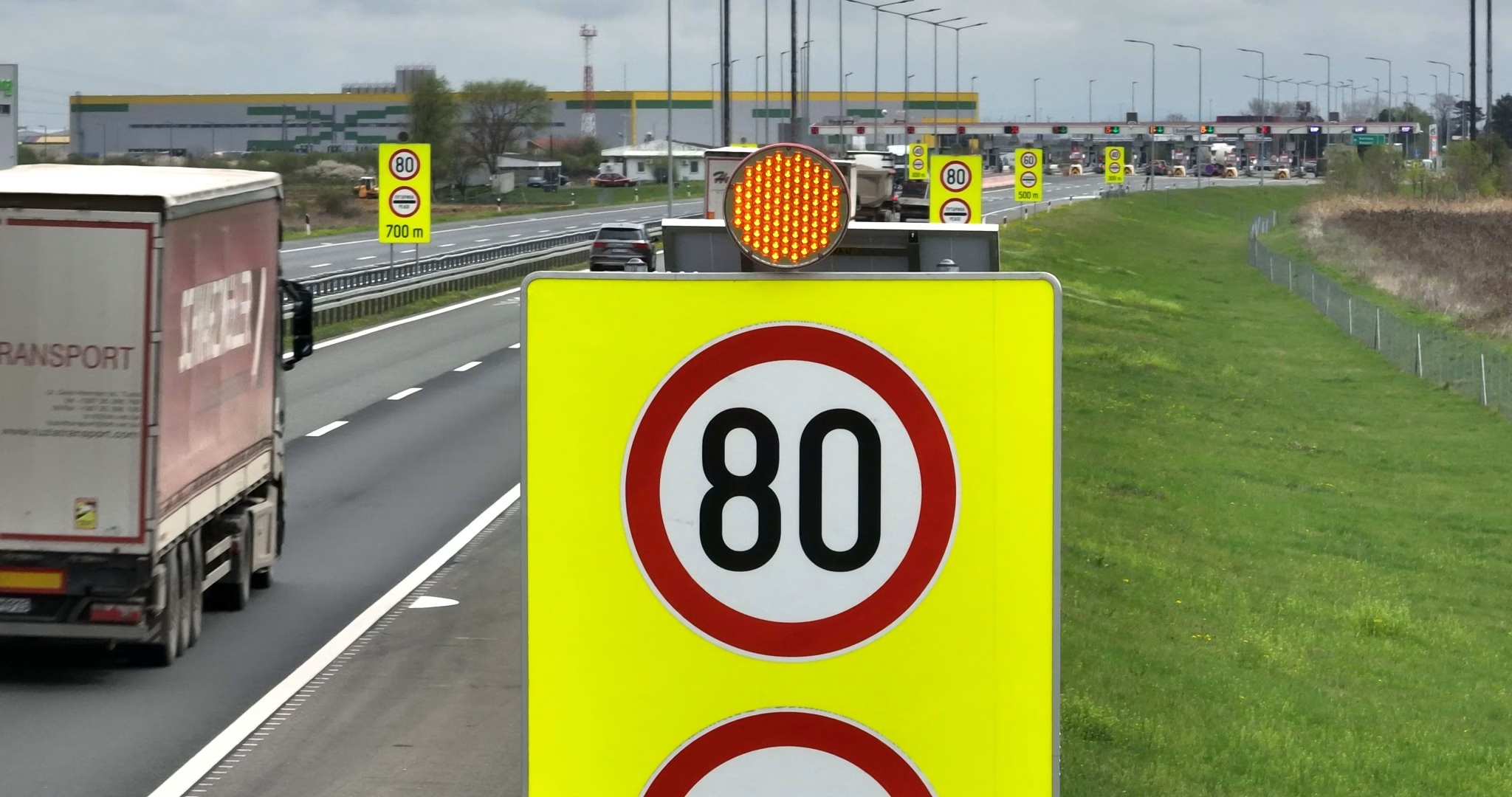
Flashers can be grouped into different channels depending on the operation mode.
The system supports:
SB (Synchronous Flash)
All flashers light up simultaneously for a short time. All flashers are grouped into a single channel.
N (Sequence)
Each pair of flashers (channel) turns on and off sequentially in predefined time intervals. When the last channel turns off, the first turns on again, repeating the cycle.
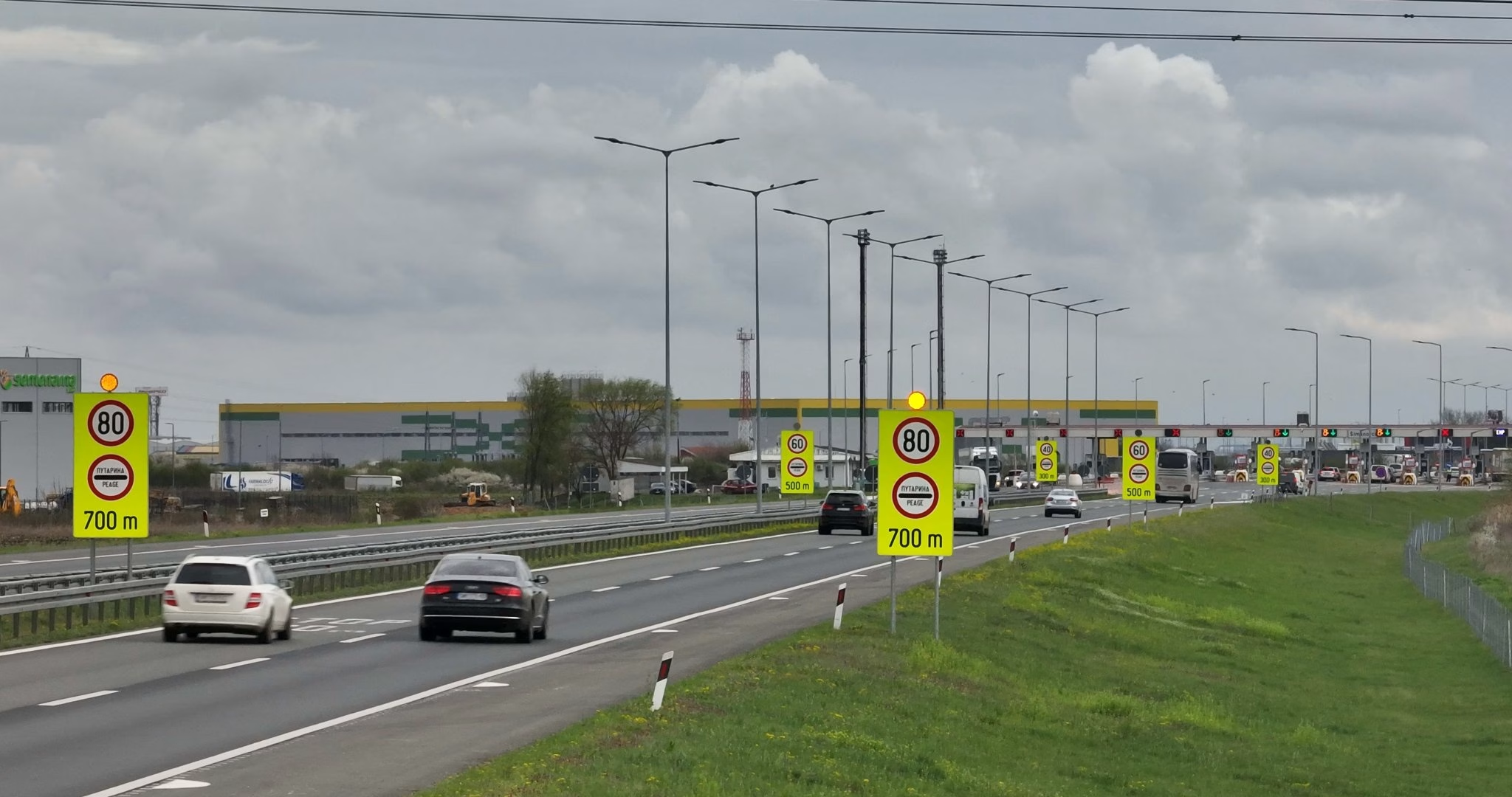
System Advantages
The main advantages of this system compared to similar ones on the market:
Synchronization Accuracy
System Autonomy
Remote Monitoring and Control
Synchronization Accuracy
The master unit synchronizes the slave unit with a precision of +/- 0.01 seconds (10 milliseconds), below the threshold of human visual perception, ensuring drivers perceive the flashing signals as perfectly synchronized. A deviation of 0.02 seconds is already considered significant and may confuse drivers.
System Autonomy
All components are solar-powered and communicate wirelessly, eliminating the need for grid power. Installation does not require expensive construction works to lay power or communication cables, allowing the system to be installed in front of toll stations regardless of existing infrastructure.
Remote Monitoring and Control
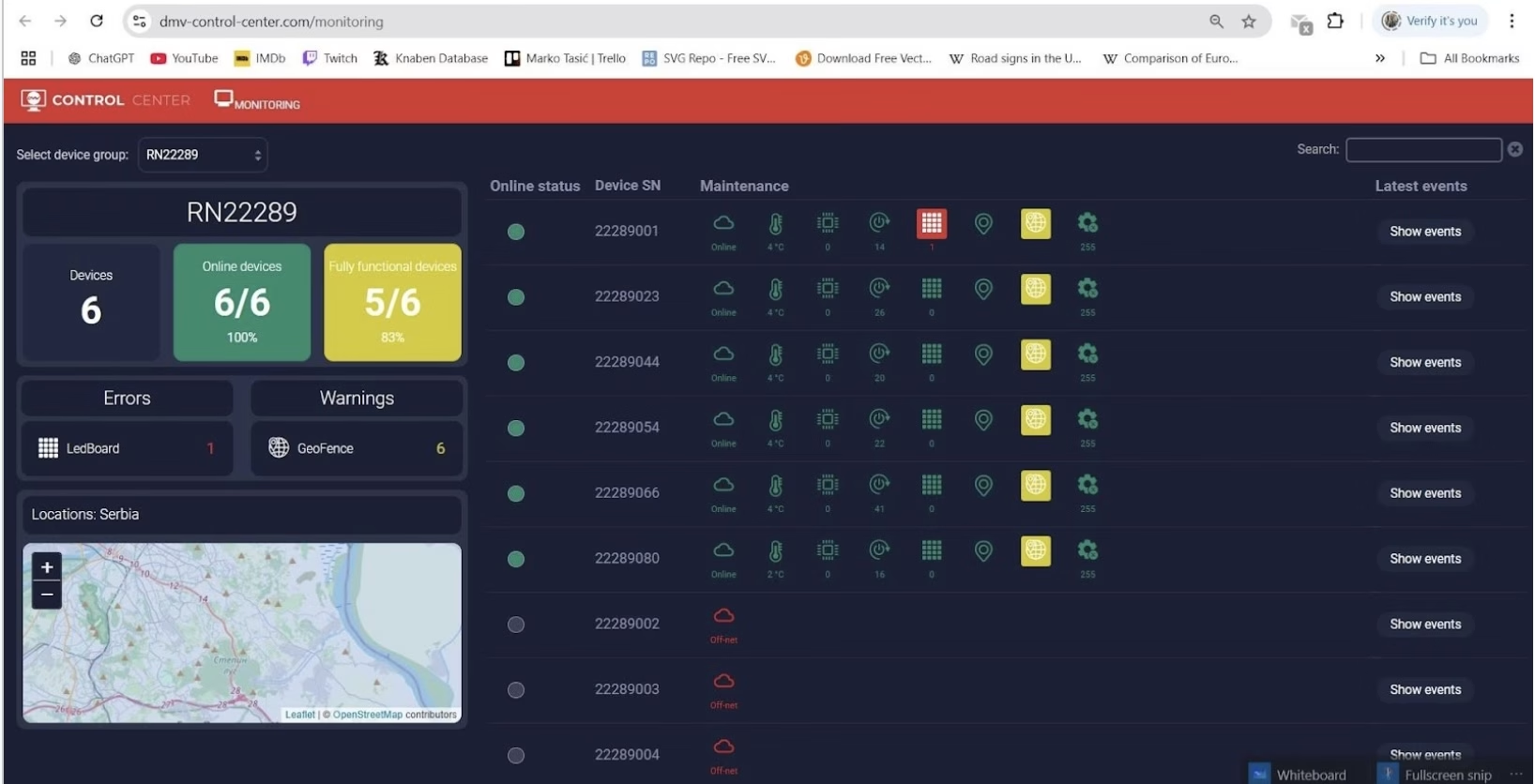
All system components can be remotely monitored via the DMV Control Center web portal. Through this software, users can access all control units, change system operation modes, and check the operational status of each system component. The user can verify the status of all flashers or monitor battery voltage levels, even though not all devices can directly report to the server. The master flesher collects data from its paired slave flasher and sends it to the server.
Need a customized solution?
Contact us, and together we will develop a system that fully meets your technical requirements and project conditions.